Peter Navarro, the senior counselor for trade and manufacturing at the White House, is no stranger to showcasing his frustrations about the current state of American energy independence. In a recent interview, he expressed concern over the ongoing refinery crisis, which has turned into a saga that seems never-ending. The issue lies prominently in California, where, despite being one of the biggest states for driving, there’s a striking absence of new refineries and pipelines. It seems that the left’s understanding of what it takes to solidify a nation’s resources is vastly out of touch with reality.
Navarro recalled his efforts during the Trump administration, where he successfully revived shipyards in the country, turning a failing site with fewer than a hundred workers into a bustling hub of productivity. However, frustration brewed as he pointed out a refinery nearby that was failing to operationalize. The issue here is more than just bureaucracy; it’s a disconnect between political ideologies and the practical needs of the American populace. He highlighted this gap, noting that while citizens grumble about high gas prices, they fail to see how inefficiencies in refining and pipeline construction have exacerbated the situation. The lack of these resources has turned elections into platforms for finger-pointing, all while the real culprit remains ignored.
As the conversation shifted toward Canada, Navarro didn’t hold back his criticism, especially regarding the Keystone pipeline. With the Canadian government pulling strings that favor their domestic agenda, Navarro lamented how the relationship between the U.S. and Canada has soured. This is particularly ironic given Canada’s reputation for being a friendly neighbor. However, behind closed doors, the trade relationship has become a battleground, where Navarro claims Canada has been less than fair. From dairy products to lumber, the imbalance ultimately affects American workers.
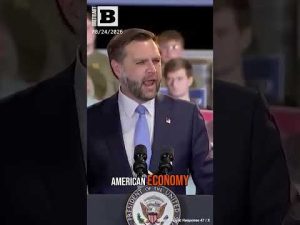
Meanwhile, Vice President JD Vance has stepped into the spotlight, unleashing a strong statement against Canadian trade practices. He pointed to Canada’s preference for Chinese goods over American products, raising concerns about fairness in their trade policies. This wasn’t just a casual observation; it was a rallying cry for American businesses and workers who have felt taken advantage of for far too long. Facts and figures backed Vance’s claims, leaving Navarro feeling vindicated for his insights drawn from years of trade negotiations.
Navarro’s experience speaks to a larger narrative of U.S.-Canada trade disputes. He emphasized the historical context stemming from NAFTA negotiations, where he felt that Canadian negotiators played a long game, outmaneuvering their American counterparts. This ongoing struggle has had lasting implications, leading to moments where Canadian politics appear to put ideology before economic rationality. The situation creates a conundrum for Canadian citizens who might not see that their political leaders’ antics, particularly related to Trump, could lead to disastrous ramifications for their economy.
As Navarro wrapped up, he didn’t shy away from sharing his views on accountability in government. In a light-hearted yet serious tone, he referenced his book, humorously stating that it’s a must-read for anyone who values proper leadership. With his passion and determination to restore American manufacturing and trade glory, one thing is clear: Navarro remains a steadfast advocate for change, calling for a renewed focus on U.S. sovereignty in energy and trade matters. The future may hold uncertainties, but with voices like his advocating for American interests, there’s hope for a fairer trading landscape that prioritizes the American worker.