In a spirited rally in North Carolina, President Trump captivated his audience with an animated call to action, urging them to prevent the kind of policies that he believes would lead to “weakness and stupidity.” His message was clear: the stakes are high, and voters need to turn out in November as if he himself were on the ballot. After all, Trump is a master of energizing his base, reminding supporters of the crucial role they play in shaping the political landscape. His emphasis on defeating Governor Roy Cooper’s policies resonated well with the crowd, insisting that they get to the polls to uphold strong leadership.
Trump’s connection with his supporters is as evident as ever, with many in the audience more enamored with his persona than with the party itself. He highlighted this by deftly comparing a ballot with him on it to the party’s typical offerings. It’s no secret that Trump has a magnetic pull among conservative voters, making his endorsement a valuable asset for candidates running in the primaries and beyond. His ability to draw crowds and command attention provides a significant boost to the Republican ticket, which is crucial as they work to mitigate the Democrats’ advantage in the polls.
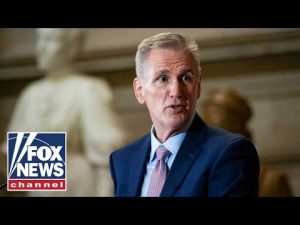
Kevin McCarthy, the guest commentator on the conservative news channel, provided an analytical look at the current political climate. He expressed concern about the Democrats’ comfortable lead in the generic ballot, indicating that while Republicans can secure victory if the deficit is minor, a larger gap shifts the odds in the Democrats’ favor. With the focus on independent voters, McCarthy emphasized their critical role in swinging elections. These voters, when combined with the party’s core supporters, can tip the scales either way.
For Republicans, closing the gap means creating a strong narrative around economic issues, especially with the economy topping voters’ concerns list. Inflation continues to loom large, and while Democrats have an edge in voter enthusiasm due to their position out of power, Republicans are poised to rally their base with strategic outreach and robust campaigning. Trump’s presence on the political stage aids in invigorating voter interest and engagement, potentially leveling the playing field.
The endorsement factor contributes to the political dynamics, with Trump’s backing promising a substantial increase in Republican voter turnout. Despite the ups and downs of political endorsements, Trump’s popularity remains a steadfast influence among party members, surpassing even the revered Ronald Reagan. The key challenge lies in persuading independents and low-propensity voters to show up at the polls, ensuring that their voices amplify the party’s message.
In the weeks leading up to the election, the Republicans have their work cut out for them. Clarifying their positions on volatile issues like immigration and Middle Eastern affairs could sway undecided voters. Demonstrating a clear path forward on energy policies, such as decreasing gas prices, highlights the party’s commitment to principled governance. As McCarthy suggests, showcasing success stories from new factory jobs and economic growth can resonate with constituents, further bridging the electoral divide. The final push requires a blend of pragmatic solutions and aspirational goals, capturing the essence of a successful campaign strategy.