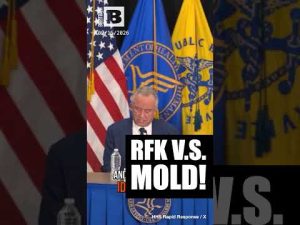
In a striking commentary on America’s healthcare challenges, the conversation has turned to the alarming impact of fungal diseases in the nation. With rising rates of chronic illnesses, it’s crucial for patients to understand that these often misdiagnosed conditions could be far more dangerous than they realize. The stark reality is that invasive mold diseases can carry a mortality rate as high as 70%. This shocking statistic highlights the urgency for healthcare professionals to improve their diagnostic skills and for patients to advocate for their health.
Currently, persons suffering from these hidden ailments frequently receive antibiotics instead of the necessary antifungal medications. This misstep not only fails to treat the root problem but also contributes to a growing issue of antibiotic resistance, which poses its own set of dangerous complications. The message here is clear: without proper identification and treatment, vulnerable patients continue to suffer needlessly, while the healthcare system remains ill-equipped to address these critical issues.
Compounding the problem is the lack of national surveillance for fungal diseases, leading to a disturbing gap in awareness and resource allocation. With limited data available, various analyses suggest a significant toll on American lives. Approximately 7,300 deaths, 130,000 hospitalizations, and an astounding 13 million outpatient visits related to fungal conditions occur each year. These figures serve as a wake-up call, urging healthcare authorities to prioritize the tracking and treatment of such diseases effectively.
Moreover, the financial burden of fungal diseases is staggering, costing the American healthcare system about $19 billion annually. This extensive cost not only impacts the economy but also diverts vital resources away from other critical areas of healthcare. As conservatives, the emphasis on accountability within our healthcare systems is paramount. It is essential that policymakers recognize the need for focused attention on the growing problem of fungal diseases, ensuring patients receive accurate diagnoses and appropriate treatments.
In light of these concerning trends, it is evident that the conservative commitment to safeguarding American health must include fighting for better awareness and education concerning fungal infections. Advocacy for increased research, national surveillance, and educational initiatives is vital. Only by shining a light on these dark corners of healthcare can the nation ensure a healthier future for all citizens. Failure to act risks leaving too many Americans suffering in the shadows of misdiagnosed illnesses, and conservatives know that protecting the well-being of the nation is a cause worth fighting for.