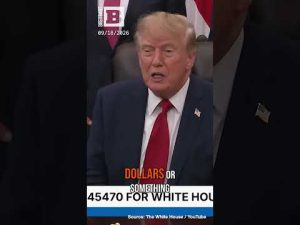
In the fast-paced world of international politics, there’s no rest for the weary, especially not when you’re the President of the United States. Apparently, the White House is running a strangulation policy that’s actually working wonders. It seems that 10 to 15 million barrels of oil per day are whisked away from the Strait of Hormuz under the cover of night. Meanwhile, the Iranians and their cronies are busy trying to make life miserable in the Red Sea with the Houthis and Iraqi militias taking a whack at Saudi infrastructure like it’s a Saturday night bar brawl. However, the real intrigue lies in the fact that gasoline shortages in Iran are leading to a tension-filled domestic situation, with the regime dreading an uprising as much as the rest of us dread a mandatory family reunion.
While abroad the President seems to have his hands wrapped tightly around the proverbial neck of the Middle East’s energy supply, things back home are not as peachy. Diesel prices are skyrocketing faster than a Fourth of July bottle rocket, thanks to strained refining capacity domestically. With the midterms looming, the administration’s biggest headache isn’t just foreign policy but how to convince U.S. voters that the hike in gas prices isn’t the boogeyman under their beds.
Now, let’s talk about the entertaining misadventures of American foreign policy. The President has his dance card full with Gulf nation leaders like UAE, Qatar, and Saudi Arabia showing up in New York. Even the Iranians are scheduled to attend the UN General Assembly. Of course, they’re coming with restrictions, because what’s a good diplomatic mission without a little red tape and some travel limitations? Their delegation is reduced from last year, possibly because some members have taken a permanent leave of absence—possibly orchestrated by life circumstances and political grudges.
Amid all these diplomatic escapades, there’s an earnest effort to improve energy infrastructure and bring some sanity to Middle Eastern politics. The administration is looking to forge alliances and build energy networks that sidestep the Strait of Hormuz, which is a bit like building a new superhighway when the old road keeps getting potholes and bandit infestations. Back home, the strategy involves reversing the anti-refinery trend, which the Democrats have frowned upon as much as aunt Bertha on kale smoothies. This may be a golden opportunity to draft new laws and regulations that would crank up the nation’s refining capacity and quell rising energy prices.
In a dazzling display of irony, the very places that are producing oil abroad reflect the same frustrations mirrored back home. The layers of intrigue here make for an interesting week when international diplomats are practically queuing up to present terms of peace—or, perhaps, more theatrics dressed as diplomacy. Throw in an upcoming visit from President Xi of China and it’s as if the White House set out to get every international player on its stage this week for a heavyweight geopolitical showdown. Fun times in Washington, indeed.