In a bizarre twist of events that could only happen in the modern cultural chaos of New York City, a deputy police commissioner was recently arrested for allegedly participating in what can only be described as a “family outing” gone terribly wrong—a hit attempt on a rival gang. Just your typical weekend activity, right? Mother, father, and their charming son took a trip not to the movies, but to the streets of the Bronx, aiming to infiltrate the world of organized crime with all the grace of an episode from a TV drama gone haywire. It’s almost like they were competing for the most dysfunctional family award.
Here’s the kicker: this deputy was a bigwig in the Westchester County police department, supposedly working for the public good. Instead, this matronly figure decided to take on the role of a getaway driver, offering her son and ex-con husband an unconventional version of a carpool, proving once again that common sense isn’t always as common as it should be. The escapade ended with gunfire from the safe confines of the family Chrysler Pacifica, highlighting a disturbing level of disconnect between one’s job in public safety and one’s after-hours hobbies.
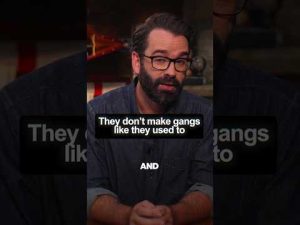
The spectacle of the whole incident is compounded by the curious choice of gang names involved: “The Gang” versus “P Lefay.” It makes one pine for the days of the Crips and Bloods—gang names that at least carried an air of menace. These contemporary monikers sound more like bands of hipsters having too much fun with a Scrabble board. One could argue that the gangs might be less dangerous if they took a bit more intimidation from their titles. But alas, behind these ridiculous names, real crime persisted.
Moreover, this farce casts a wider shadow on the curious employment practices of diversity, equity, and inclusion (DEI) focused positions, under whose banner this now-infamous deputy was hired. Her head-scratching arrest prompted a swift disappearance of her profile from the department’s website, providing a metaphor for how DEI hiring strategies often perform in practice—vanishing into thin air when true accountability is needed. It’s a cautionary tale about the dangers of prioritizing political trends over essential qualifications.
This debacle calls into question the integrity of departments influenced by the pressures of progressive policies, which sometimes seem more concerned with quotas than competence. It’s high time for a return to sanity where hiring decisions emphasize skill and character over social engineering experiments. News like this reminds us why such principles matter more than ever in preserving the safety and moral fabric of our communities.