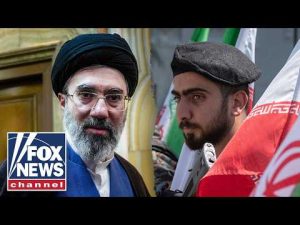
It appears that the situation in the Middle East is once again escalating, with Iran flexing its muscles in the region. Over the past seven months, Iran has targeted 15 countries, as if they were competing in some sort of twisted global dominance Olympics. And now, they’re giving shipping routes a rough time as well. The State Department has issued warnings to Americans, reinforcing that some places are just not tourism material anymore. No surprises there; it seems like danger loves company, especially when it comes to Iran’s latest antics.
Iran, with its resilient and, admittedly, rather crafty leadership, is proving why they are still considered a regional powerhouse. Despite what looks like a decapitating strike, their leadership seems to have attended the “How to Survive a Collapse 101” course. They’re even managing to strut around the Strait of Hormuz, causing shipping insurers to hesitate more than a cat at a swimming pool. The shipping corridor is turning into more of a shipping speed bump, reminding everyone that Iran’s influence is felt far beyond their borders.
While Iran flexes its military might, Saudi Arabia finds themselves in quite the pickle—or should we say, hummus. With Houthi rebels targeting them, Saudi leaders are being nudged toward a simple yet profound question, one involving a lot of bruised egos and even more military hardware. The president might need to ask them point blank: “When are you going to take charge of your own security concerns?” It’s about time Saudi Arabia stops treating their defense budget like a fancy toy store for new gadgets and starts using those big-ticket items to organize a little counter-strike of their own.
As President Biden prepares to meet with President Xi, a proverbial cloud looms over the discussions. What happens in the Middle East directly impacts China’s approach in regions like the South China Sea. It’s like watching a slow-motion chess game, with every move needing careful consideration to avoid a checkmate that could have global repercussions. But let’s not fool ourselves; this isn’t just a game of chess. It’s a high-stakes poker match where every player has a few cards they are holding close to their vest.
In the tangled web of Iranian government powers, it’s becoming increasingly apparent that the Ayatollah may not be the omnipotent puppet master some might think. The IRGC, Iran’s Revolutionary Guard, appears to be running the show, both on the battlefield and in the economy. It’s a thugocracy at its finest—or worst, depending on your perspective. Whoever is really holding the strings, one thing is certain: the United States must negotiate wisely, lest they be fooled by mere appearances and rhetorical gymnastics.
As the UN opens its latest session in New York, the world holds its breath, perhaps hoping this time they will manage to get a grip on the chaos. It’s a tall order, but the world has faced tougher odds. With a little luck—and maybe a healthy dose of realism—perhaps we’ll see a pathway to peace emerge, or at the very least, a temporary pause in the chaos.