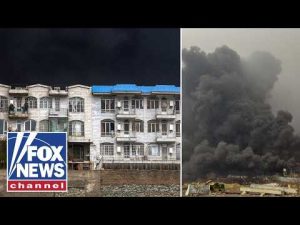
The chaos in the Middle East continues to have far-reaching implications, especially for Americans caught in the crosshairs of conflict. With over 40,000 U.S. citizens having returned home since tensions flared with Iran, the State Department has been working overtime. Nearly 30,000 of these individuals relied on the State Department’s assistance, with charter flights and security personnel deployed to ensure the safe passage of Americans back to their homeland. It’s a relief to see such a massive exodus orchestrated amid a chaotic and hostile environment. The world’s most powerful nation apparently plays the airport taxi service now, shuttling its people home, which would be endearing if the stakes weren’t so dire.
The United States government has made its intentions crystal clear. President Trump has taken a strong stance by asserting that holding Americans is a strategic liability for the captors, and any act of wrongdoing will be answered with American justice. This is not just grandstanding; it underscores why America remains committed to bringing its citizens home from precarious situations abroad. Government officials and diplomats are pulling out all the stops to address these delicate circumstances.
Among the individuals affected by these tumultuous times is Kaman Hikmati, a 61-year-old Persian-American. He owns a jewelry business in New York and lives on Long Island. Hikmati, who fled the Iranian regime in 1979, had returned to Iran for family matters, only to be stopped from leaving by Iranian authorities. Initially detained under charges for a past visit to Israel—hardly a unique adventure from 13 years ago—he now faces even more ludicrous espionage charges. The Iranian authorities clearly have too much spare time on their hands if they’re digging up decade-old itineraries.
Efforts to free Kaman Hikmati and others like him are ongoing. The family remains in sporadic contact with him, which is as soothing as a long-distance phone call is during a perilous hostage situation. The situation remains grim; uncertainty grips anyone with loved ones in Tehran’s Evin Prison. Recent military activity has turned the place into a potential military target, exacerbating fears for those detained. This environment amplifies the danger for the six Americans believed to be held under similar circumstances. It’s almost like playing a tense game of Where’s Waldo, except with actual lives on the line.
Despite the calamity, the U.S. government has been praised for its response. The administration’s resolve not only seeks the safe return of its citizens but serves as a stark warning to the Iranian regime. President Trump and Secretary Rubio have urged the Iranian leadership to take a diplomatic route: freeing the hostages and diminishing hostilities. What a novel idea, offering peace as a solution. Let’s hope that rationality will eventually prevail and bring this difficult chapter to a hopeful close. Until then, it seems the American citizens’ return from global conflict zones remains a concerning yet necessary subject of focus in foreign policy.