**The Streaming Wars: Shifting Tides in Hollywood’s Control Room**
In the ever-evolving landscape of television and film, the battle for streaming supremacy is heating up like a jalapeño pepper on a summer day. Recently, a whirlwind of speculation has surfaced regarding Netflix’s potential acquisition of Warner Brothers, and it has sent shockwaves through Hollywood and beyond. For cinephiles and casual viewers alike, this is no trivial matter. This isn’t just about who gets to stream Batman or binge-watch the latest reality show; it’s about who is dictating the narratives that shape our culture.
Netflix, the streaming giant that redefined how we consume content, has its eye on Warner Brothers. On the surface, it seems like a marriage made in content heaven. However, lurking beneath this nuptial dream is a potential nightmare. The deal, reportedly worth around $82.7 billion, has drawn the ire of many who fear it will place far-left ideologies into control of some of America’s most beloved brands, including DC Comics and HBO. The concern is that the badges of woke ideologies are being tightly stitched into the fabric of our favorite stories, taking them away from their original charm.
In an unexpected twist, Paramount has jumped into the fray with a hostile offer valuing Warner Brothers at $100 billion. This is like a game of Monopoly where everyone starts sweating over the last house on Boardwalk. Paramount’s CEO is calling Netflix’s offer “inferior,” and has promised shareholders a bump in cash that raises the stakes even higher. But why would Warner Brothers, a titan of the industry, even consider Netflix’s lower offer? Some suspect there’s an ideological tug-of-war happening behind closed doors that might tip the scales in favor of the streaming giant.
This is where the plot thickens like grandma’s secret gravy recipe. Individuals like Susan Rice and ties to President Obama loom large in the background, raising concerns over how these connections could influence the creative decisions made within these media powerhouses. While this might feel like a scene out of a political thriller, the real agony is for viewers who just want uncomplicated enjoyment without the overt insertion of political narratives into their popcorn movies. The average American isn’t tuning in to their favorite shows to be lectured on socio-political issues; they want to escape, not to have their social media feeds mirrored on their screens.
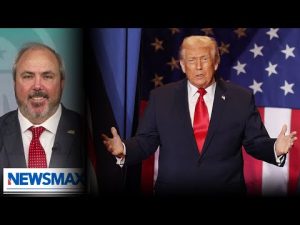
And just when you think the drama couldn’t get any juicier, former President Trump himself has taken up the megaphone on this vital issue. He is keeping a watchful eye on both Netflix and Paramount, warning that consumers should brace for potential monopolistic challenges—where one giant eats another until there’s hardly anything left but crumbs for the viewer. Hollywood is increasingly perceived as a bastion of leftist sentiment; thus, Trump’s watch is seen as a necessary counterbalance to the far-left agenda playing out in prime-time television.
The stakes are indeed colossal, and they extend beyond just who owns what. Decisions made during these bidding wars affect the cultural touchpoints that influence our society. Whether it’s the newest superhero film or an animated family show, the narratives emerging from these studios have profound implications for our understanding of various social issues. If the fear is that wokeness will poison beloved characters or stories, then Tuesday nights on the couch become about more than just entertainment; they morph into a battleground for ideological supremacy.
As the battle unfolds, one thing is clear: viewers must stay informed and engaged. They can’t afford to sit back and let companies dictate how stories are told and whose perspectives are prioritized. So grab the popcorn, settle in, and keep an eye on the unfolding dramas—both on-screen and behind the scenes. After all, in the current age of streaming wars, viewers are not just passive observers; they are stakeholders in the fight for the heart and soul of modern storytelling.