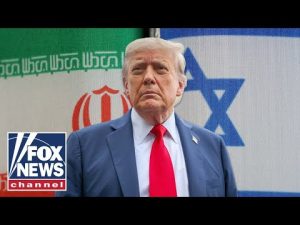
In the whirlwind of global politics, sometimes it takes an unyielding, decisive approach to instigate actual change. The recent developments in the Middle East bring this idea right to the forefront. The discussion centers around the death of a key figure, Kam, in a region that has long been a hotbed of political tension and conflict. This, claims former deputy director of the FBI and Fox News contributor Dan Bunino, could be the turning point that many have been anticipating, or rather, hoping for all these years.
Despite being accustomed to operating in the shadows due to constant threats, the Iranian leadership met an untimely demise, a scenario they should have been prepared for given their longstanding goals of radical disruption. Let’s address the obvious here: numerous administrations have spun their wheels on this issue for decades, spanning both Republican and Democrat regimes. Various strategies from appeasement to stern negotiation have done little to curb what many see as the root of Middle Eastern instability. Enter President Trump, who evidently decided enough was enough and took decisive action, a rarity in politics where kicking the can down the road often seems to be the favorite sport.
There is a humorous, albeit tragic, irony in this whole situation. The Iranian regime, despite being at a perpetual disadvantage in terms of military capability and diplomatic leverage, continued to bluff their way through geopolitical poker. They acted as though holding a strong hand when, in reality, their deck was stacked against them. Even their proxies seemed to abandon ship, leaving them to face the consequences of their overestimated bravado. One can almost hear the exasperated sighs of Western diplomats who have repeatedly offered paths to peace, only to have their efforts met with dismissive gestures.
The Trump administration’s stance resonates with a clarity so often lacking in international relations. Secretary of War Pete Hegseth’s recent announcement underscores a zero-tolerance policy for threats against American citizens, reiterating that missiles targeting American interests will be met with forceful retribution. The straightforward message is akin to a splash of cold water in an arena where mixed signals have been the norm. The administration is not keen to start conflicts but will decisively finish them if provoked.
Critics, be they on the right or left, might grumble about talks of regime change or express concern about potential fallout. However, the question stands: who else has managed to take such a firm stand and achieve tangible change? Let’s not forget how predictions of impending doom following similar bold moves, like relocating the embassy or tackling Venezuelan leadership, never materialized. Perhaps, instead of premature criticism, extending a modicum of patience would be wiser. It’s only been a day since these events unfolded, after all. In politics and international relations, hasty judgment can prove as detrimental as indecision, a dynamic well understood by those steering the current U.S. administration.