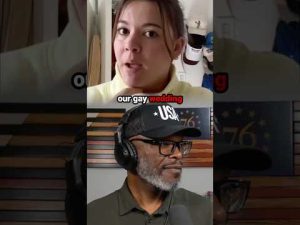
In today’s polarized political landscape, it’s not surprising to find that politics even infiltrates personal milestones, like weddings. A recent social media video discussed a controversial topic: should political beliefs affect wedding invitations? Specifically, should a couple exclude guests who have voted for Donald Trump? This situation reflects a growing tendency to allow political differences to dictate personal relationships and social gatherings, raising questions about inclusivity, tolerance, and the line between personal choice and discrimination.
The idea of vetting guests based on their political voting records seems extreme to many. For a couple planning their wedding, this could appear to be an attempt at ensuring a comfortable atmosphere filled with like-minded individuals. However, this approach might undermine the spirit of unity and celebration that weddings are meant to embody. Weddings are personal events, yet they also serve as gatherings of family and friends from various backgrounds and beliefs, traditionally celebrated for their diversity.
Setting a precedent where political views dictate personal connections could signal a slippery slope. Encouraging such division may lead individuals to miss opportunities for dialogue and understanding. Differences in political opinion are not uncommon among families and friend groups, and learning to navigate these differences is a crucial part of living in a diverse society like America. Selectively excluding individuals based on their political leanings might deepen existing societal rifts.
The emphasis on canceling differing viewpoints has become part of a concerning trend, where ideological uniformity takes precedence over inclusivity. By choosing to exclude those who have voted for a particular candidate, individuals risk closing themselves off to valuable perspectives and insights that different backgrounds provide. This attitude can weaken the fabric of social interactions, which thrive on varied and, at times, opposing viewpoints.
The solution lies not in deepening the divide but in seeking common ground. By fostering respectful dialogue and understanding, individuals can create spaces where they maintain their own beliefs while allowing others to express theirs. This approach doesn’t require compromising one’s values but rather recognizing the value in shared humanity. It’s essential to remember that, despite political affiliation, everyone can find common interests and shared experiences that go beyond the voting booth.