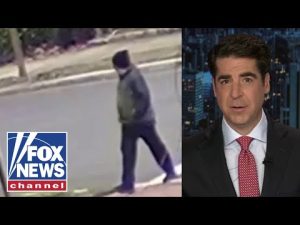
Brown University found itself at the center of a dramatic tale that could rival any Hollywood thriller. A recent shooting on the university’s campus unfolded as a perplexing story of overlooked clues, an unlikely hero, and the unfortunate consequences of systemic oversight. The saga involves a homeless man named John, a former student who seems to have taken up the mantle of guardian angel—his keen eyes and quick thinking leading to the apprehension of the suspect, Claudio Neves Valente.
Interestingly, an anonymous tip regarding the shooter came from none other than John himself. Despite living in the Engineering and Physics Building’s basement, which raises its own set of questions about campus security, John’s sharp instincts played a pivotal role. He had encountered Valente just hours before the incident, locking eyes with him in a campus bathroom—a moment that set off alarm bells for him. Following his gut feeling, John trailed the suspect, noting crucial details about a suspicious vehicle that ultimately helped law enforcement crack the case. Talk about life imitating art; even Sherlock Holmes might have been impressed.
However, this situation brings to light uncomfortable truths about campus security and the responsibilities of its officials. John’s vigilance saved the day, but it begs the question: why did a bystander, rather than the university’s security personnel, identify the lurking danger? Valente had been seen roaming the area for weeks prior to the incident, raising eyebrows among even the custodial staff. Yet, his presence seemed to slip under the radar of more authoritative figures. One can only imagine the heightened sense of security that could have been achieved if larger attention had been paid to suspicious activity. But alas, it seems like Brown University chose to major in avoidance rather than vigilance.
Moreover, the ripple effect of bureaucratic laxity extends beyond mere campus security. The focus has now shifted to Valente’s immigration status, bringing into question the effectiveness of visa oversight in the country. Having entered the U.S. through the Diversity Immigrant Visa Program, Valente’s overstayed visa should have been flagged long before it culminated in this tragedy. It’s an eerie reminder of the dangers posed when paperwork slips through the cracks while agendas get tangled in red tape. Some might argue that if more attention had been paid to this ticking time bomb, the narrative would have had a different ending.
And then there’s John—the homeless hero whose sharp observations saved lives. Yet, despite his invaluable contribution, the irony is thick enough to cut with a knife. He now stands to collect a $50,000 reward, a stark contrast to the dire circumstances he’s been living under, literally within the university walls. While some may see this as a happy ending for John, it also underscores a larger narrative about society’s priorities and the forgotten individuals who navigate the fringes. As it stands, John deserves every dollar of that reward as a reminder of the significant, often overlooked contributions individuals can make, even from the most unexpected backgrounds.
As this story unfolds, it’s an imperative call to action for institutions to take a closer look at their security protocols and community engagement practices. Because, as we’ve seen, sometimes the people who step up to save the day don’t come from centralized networks of authority, but from amongst the crowd, operating far outside the flashy world of high-tech security systems and rigid bureaucratic protocols. Perhaps it’s time to rethink the heroes we rely on, even—or especially—if they don’t wear capes.