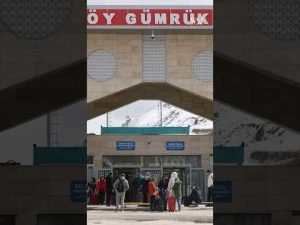
At the Capcoy border crossing between Turkey and Iran, a somber situation is unfolding as countless Iranians find themselves caught in a troubling cycle of conflict and uncertainty. The air has been thick with worry as the sounds of war echo from across the border, leaving many families in turmoil and distress. With the ongoing air strikes shattering not just windows but also the spirits of the people, life has become a restless nightmare for many families back in Iran.
Residents seeking shelter in Turkey are telling a tale of chaos. Reportedly, the relentless bombings have not only rattled their homes but also their peace of mind. People are losing sleep as the fear of violence creeps into their daily lives. Children, once innocent and carefree, are now waking up from frightful dreams, clutching their pillows as a shield against the frightening reality just beyond their borders. The sudden shift from normalcy to chaos has left everyone wondering what comes next.
Many Iranians who had moved to Turkey for better opportunities—jobs, education, or simply a chance at a fresh start—are now anxiously heading back home. They face a daunting journey, attempting to reach family members they have been unable to contact for two whole weeks. The situation has been exacerbated by an internet blackout in Iran, cutting off all means of communication. These individuals are not just migration statistics; they are family members desperately checking on loved ones, fully aware that the pain of distance is compounded by the threat of war.
The economic crisis in Iran casts an even darker shadow on the situation. Rising prices and a plummeting currency have already placed a strain on the daily lives of Iranians before the conflict. Now, with the war stretching on, concerns about the future mount like a pile of laundry never tackled. Panic spreads as citizens wonder how they will survive when basic necessities become more difficult to obtain. Things that once seemed manageable are now seen through a lens of desperation.
In all this turmoil, fear still looms large. Many people remain hesitant to speak openly about their experiences, worried that voicing their concerns might draw the unwanted attention of the Iranian regime, which has a notorious track record of repression. This grim reality reflects the enormous pressures felt by ordinary citizens as they navigate a situation that’s spiraling out of control.
The situation at the Capcoy border crossing is not just a tale of migration or economic woes; it’s a human story filled with heartbreak and resilience. The struggles of the Iranian people serve as a stark reminder of the complexities of war and the profound impact it has on everyday lives. As the world watches, the future remains uncertain for those caught in the fray, their hopes pinned on better days that seem far from reach.