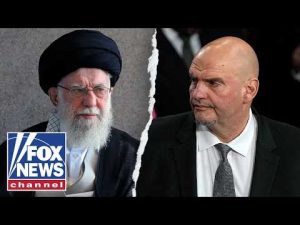
As the dust begins to settle from the recent military operations focused on Iran, the narrative emerging is one of decisive action. President Trump and his administration, including the visible efforts of his Middle East envoy, seem to be focusing on fostering a more reasonable leadership in Iran’s fourth and fifth tiers. This shift might sound overly optimistic, but it’s born from the tangible results witnessed on the military front, where the obliteration of much of Iran’s military infrastructure stood prominent. It’s quite clear this isn’t your run-of-the-mill diplomacy; it’s a masterclass in how to blend force with negotiation.
The Iranian military has experienced a comprehensive dismantling: air defenses decimated, ballistic missiles neutralized, and even their naval strength significantly reduced. The extent of the operation has likened Iran’s naval defeat to some of the largest since World War II, which paints a picture of President Trump’s notable determination and strategic acumen. As Senator Ted Cruz aptly conveyed, this pause in hostilities comes with President Trump drawing a clear, no-nonsense line for Iran, indicating the need for zero uranium enrichment and transparency with their current stockpiles.
It’s humorous yet frustrating to observe Democrats scrambling to find fault, accusing President Trump of war crimes with unfounded fervor. Their selective outrage conveniently overlooks Iranian aggression, which has included threats and actions bordering on terror. One might wonder where this critique was when Iran targeted Tel Aviv. Isn’t it amusing how, from their perspective, targeting bridges can be painted as a war crime? War, traditionally, sees infrastructure as a legitimate target, but don’t expect fair assessments when political agendas are at play.
The discussion also delves into the Straits of Hormuz, a vital passage that Iran has previously threatened to exploit for political gain. The administration has been firm about keeping this route open without charge, hinting amusingly that if anyone should get fees for passage, it ought to be the U.S., thanks to their role in securing it. This is part and parcel of a broader strategy to extract concessions from Iran and prevent them from using the Strait as a pawn in their game of geopolitical chess.
In a more reflective note, the hope is that Iran might return to its roots as a sophisticated society that contributed to science, art, and culture — a stark contrast to the current regime’s approach. The path to peace, however, requires Iran to reach such an introspection by standing up against oppressive rule. The goal is not just to restructure a government but to ignite a movement toward freedom and peace, both for their people and for international relationships. Whether or not the Iranian leadership will heed this wake-up call remains uncertain, but it’d be wise for them to do so, lest they find themselves out of options and allies.