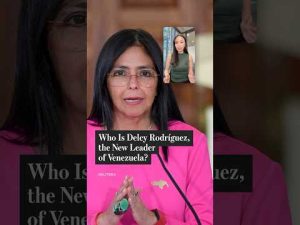
The recent arrest of Venezuela’s embattled figure, Nicolás Maduro, orchestrated by U.S. federal entities, is making waves in international circles. Proudly parading their hard-earned efforts like a badge of honor, American law enforcement agencies including the FBI, CIA, and DEA finally nabbed the man many accuse of presiding over a narco-state. In all fairness, it’s an escapade that blends more political thriller than diplomatic casserole, with federal forces setting a dramatic precedent by flying Maduro back under the stars and stripes right from Venezuelan soil. With the chutzpah of international intrigue, this scenario is unrolling like a Netflix series that no one saw coming. Except this episode has all the elements of real-world geopolitics.
A not-so-secret ingredient in this saga is Maduro’s track record, which is more befitting to a blockbuster villain than a statesman. He and his entourage reportedly conducted a do-si-do with state-sponsored gangs involving an annual trafficking of about 250 tons of cocaine to the United States. These alleged misadventures were feats no less audacious than feeding sugar to ants. But capturing Maduro on U.S. turf not only raises the banner of justice but also ties up the loose ends in the chronicles of numerous American families still reeling from their losses.
Of course, questions regarding the legality of this arrest under the scrutinizing lens of international law are as thick as mom’s gravy. U.S. Supreme Court precedents might affirm the act as a heroic enforcement of federal criminal law. Yet, in unison, the shadows of constitutional whispers hint at a need for presidential consultation with Congress, though Capitol Hill seems too busy in its own internal squabbles to notice. So, with a wink and a nod, it’s left to be a tête-à-tête between the White House and Congress. For now, it appears no congressional fireworks will light up the skies over this maneuver.
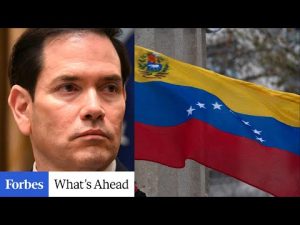
Like any seasoned diplomat who knows when to hold ‘em, Secretary Rubio insists the action was just an arrest, not an invasion, framing it as a law enforcement operation peppered with military spices. A geopolitical stew, if you will. But the taste is not lost on those asking about Venezuela’s power vacuum. Temporarily blurred lines of sovereignty and executive roles mix the pudding on who’s really calling the shots down Caracas way. Questions about which hangover guest will lead the Venezuelan orchestra remain just that.
But let’s not pretend the road ahead is paved with rose petals. For the United States, it’s more like a walk through a political quagmire. Sure, international lip service to law could hem and haw, as it often does, but the focus remains on whether Democrats and Republicans will play nice or spit political pea soup. Do they stand united in seeking Venezuela’s stability, or do they turn the drama into another episode of political scheming? Whatever unfolds next, expect no shortage of controversies for your next dosage of global intrigue.