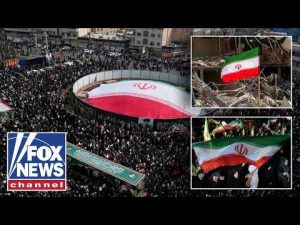
In the world of international diplomacy, negotiating with Iran feels like one of those never-ending episodes of a TV series that refuses to reach a satisfying conclusion. Viewers are left wondering if the drama will ever resolve. The U.S. finds itself once more at the bargaining table, and it seems that Iran is eager to strike a deal. Yet, one can’t help but roll their eyes a tad; after all, this could easily be another chapter in Iran’s book of stalling tactics. The regime is well-versed in buying time and playing their cards close to the chest as they wait to see how the geopolitical winds might shift in their favor.
Many skeptics argue that Iran’s intentions are dubious at best, particularly given their track record. There’s chatter about how Iran might be banking on President Trump stepping back occasionally due to domestic pressures. The task of trusting the regime’s assurances feels akin to trusting a mischievous fox to guard the henhouse. It might be wise to keep expectations in check because what’s whispered in backrooms is often very different from what’s loudly declared on international stages.
While discussions about potential ceasefires and negotiations buzz, there’s an undercurrent of tension beneath these diplomatic dances. The Iranian people themselves are not monolithic in their views on their government. It’s like a pie chart broken into three parts: staunch supporters, passionate opponents, and those who prefer to keep a low profile and live life without much political drama. As amusing as it might sound, it’s the ardent supporters who are often depicted as the ones clutching onto the regime for dear life, like passengers on a shaky roller coaster, unfazed by the possibility of derailment. Their livelihoods and ideological commitments are deeply intertwined with the ruling powers.
But not all is bleak and silent. There’s a significant portion of the population longing for change—pro-western, democracy-oriented Iranians who dream of freedoms previously denied. These individuals have played it smart by temporarily retreating into the background, waiting for the opportune moment to make their voices heard. Yet, they remain plagued by the fear of brutal crackdowns, should they dare to rise up. The grim reality is that hope for a shift vanishes quickly under the looming threat of violence and suppression.
So where does this leave the talks of possible rescue by foreign powers or support that might embolden the people? Well, while stories float around about outside forces taking down oppressive structures, perhaps the biggest question remains whether such external interventions could indeed prompt a widespread movement. Would they provide the necessary courage for Iranians to stand up and demand the change they seek? That, dear reader, remains to be seen. After all, grand plans need not only the right timing but also a fair bit of daring. Those sitting on the fence, as we might humorously suggest, could prove pivotal if only given enough reason and reassurance to leap into action.