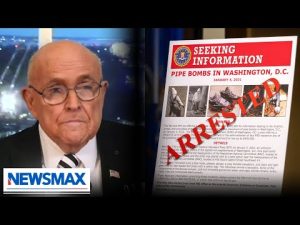
In recent discussions surrounding political events and law enforcement, a familiar figure has emerged in the spotlight: Rudy Giuliani, former mayor of New York City and a well-known personality in conservative circles. These conversations arise in the context of ongoing investigations related to violent incidents at the Capitol and various allegations of misconduct surrounding the Biden administration. Giuliani, known for his outspoken views, claims that the situation is far more complex than it appears and raises questions about motives and accountability.
The crux of Giuliani’s argument centers around a recent suspect in a high-profile case, who he insists has extremist views, suggesting that the Democrats are intentionally downplaying these details. According to reports, law enforcement had prior knowledge of the suspect’s tendencies, yet the potential political implications seem to have been swept under the rug. Giuliani hints that this is a blatant example of a cover-up, aimed at protecting certain narratives and individuals within the Democratic Party. With an air of dramatic flair, he asserts that this investigation could have, and should have, been wrapped up in a matter of weeks, given the available evidence.
Digging deeper, Giuliani brought attention to the tragic events surrounding January 6, claiming that there are open questions about police involvement. He argues that while numerous people have been scrutinized and even arrested, there seem to be glaring omissions when it comes to identifying those connected to organized groups like Antifa. This, he believes, reflects a broader agenda to shift the blame away from specific political interests and obscure the truth. He raises eyebrows by suggesting that the Capitol Police must have had an intuition about potential unrest, as multiple units were positioned nearby leading up to the chaos.
Moreover, Giuliani points to various sources of information that, in his view, should have prompted a full investigation into the activities of alleged Antifa members on the day of the Capitol riot. As he recounts the details, it’s evident that he is frustrated with what he perceives as a lack of urgency and accountability from the appropriate authorities. His narrative weaves through the idea that political motivations have tainted the efficacy of law enforcement and the judicial process when addressing these incidents.
As the conversation progresses, Giuliani does not shy away from linking these events to the broader landscape of political maneuvering against Donald Trump. He implies that the Democrats have used every possible tactic to undermine Trump, inferring that the orchestration of protests turned riots was merely their latest effort to discredit him. With vivid imagery, he draws parallels between the allegations made against Trump and the current investigations, suggesting that both stem from a desire to maintain power at all costs. As he spins this narrative, it’s clear that Giuliani stands firmly on his belief that there is a concerted effort to derail conservative values and diminish the legacies of Republican leaders.
Ultimately, this dialogue raises significant questions about the intersection of politics, law enforcement, and the media. Giuliani’s commentary serves as a rallying cry for those who share his conservative sentiments, reinforcing the idea that the truth behind these events lies beneath layers of political posturing and media narratives. With a tone of urgency, he urges his audience to seek the deeper implications of these investigations and stay vigilant in holding those in power accountable. In a landscape overflowing with talking points and polarized opinions, Giuliani’s perspective adds another compelling layer to the ongoing national conversation.