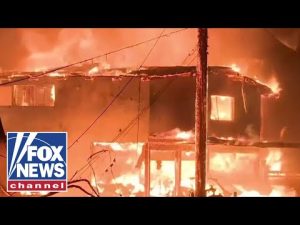
It seems California is back in the headlines for all the wrong reasons once again. The Golden State, under the leadership of Governor Gavin Newsom, finds itself under intense scrutiny following a report that exposes a string of questionable policies contributing to the wildfire fiascos. Apparently, instructions have been issued to allow certain state parks to burn during wildfires—all in the name of restoring the “natural ecosystem.” Now, the idea of nature reclaiming its space might sound poetic, but when it results in smoldering homes and terrified families, poetic quickly turns into preposterous.
One part of the report takes on a secretive, almost cloak-and-dagger vibe. It suggests that the public should remain blissfully unaware of when certain areas catch fire. Yes, you read that right—the plan is to have officials keep such trivial information as spontaneous combustion to themselves. The rhetoric revolves around avoiding panic and protecting the environment, but how keeping residents in the dark helps achieve that is anyone’s guess. Surely, those who live in these areas would appreciate knowing if their home might suddenly become beachfront property in a sea of flames.
But don’t worry, the local flora has friends in high places. Environmental regulations in California have been likened to unwieldy vines, entangling common sense and blocking the path to safety. A filmmaker recently highlighted how certain vegetation, including brush weed, is on the “do not touch” list. The irony? This protected plant life has a knack for fueling fires, making it a pyromaniac’s best friend. It seems the state’s love affair with regulations is burning a bit too brightly.
Now, in a particularly enlightening twist, some argue that fires are just nature’s housekeeping. Letting certain parks burn could potentially rejuvenate the ecosystem. Maybe so, but imagine trying to tell residents that torching their backyard is really just a form of extreme landscaping. Controlled burns aren’t just safer; they’re crucial for preventing larger infernos. In places like Georgia, fire departments regularly and effectively burn areas to maintain ecological balance. Perhaps a tip or two could be borrowed from their playbook.
In the end, all this talk of restoring ecological balance while leaving citizens in the dark and stressed seems counterproductive. The pivotal takeaway here is the importance of controlled burns and transparent communication. California continues to reel from this bureaucratic entanglement where misguided green priorities are leaving actual people, homes, and safety on the back burner. The state’s love for elaborate plans and secrets isn’t just a quirk—it’s an incendiary issue that needs taming before the next unchecked fire season comes racing over the horizon.