In the world of politics, some folks can’t help but stand by when millions, potentially billions, of taxpayer dollars vanish into thin air. The state of Minnesota has found itself under the microscope for allegations of massive fraud linked to its social programs. As the House Oversight Committee, helmed by Chairman James Comer, rolls up its sleeves, the situation reveals some grim truths about fiscal responsibility—or the lack thereof—amongst the state’s leadership.
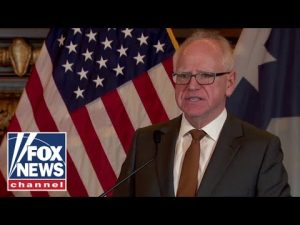
The latest beef revolves around claims that a staggering amount of money intended for social welfare has mysteriously disappeared. With Governor Tim Walz at the helm, some feel there’s been a shocking level of nonchalance about this financial black hole. Instead of taking decisive action, the allegations suggest that warnings about fraud were met with a shoulder shrug, perhaps in the interest of political alliances.
Brave whistleblowers, including state employees who sounded the alarm, are now being brought forward to recount their concerns. These employees reportedly tried for years to get the attention of leaders like Minnesota’s Attorney General and the Governor. But much like a game of telephone tag, it seems their cries fell on conveniently deaf ears. According to Chairman Comer, these warnings date back years, not mere weeks or months. By digging into bank accounts and following the money trail, he hopes to uncover the truth behind the transactions allegedly linked to certain community groups seen as pivotal to the Democratic base in the state.
What’s particularly galling is the perceived indifference of Governor Walz. While busy appearing bewildered by numbers and saying the missing funds might not amount to much, his lack of urgency paints a vivid picture of misplaced priorities. For a state with Minnesota’s budget, any billion-dollar scam is far from pocket change—it’s a fiscal iceberg with only its tip visible. This plays right into a broader critique of liberal governance: a tendency to write checks with other people’s money and hope for the best.
Chairman Comer, with his background in banking, is undaunted by the task of digging into the numbers. As investigations proceed, the House Oversight Committee is considering public hearings to keep taxpayers informed. This isn’t just about Minnesota—a troubling precedent is at stake. If such fraud can happen there, what’s to say it’s not lurking in other states like Illinois? The truth needs to emerge, complete with legal repercussions if necessary, which could involve turning the case over to the Department of Justice. In the swirling maelstrom of fiscal irresponsibility and political pandering, one thing remains clear: American taxpayers deserve transparency and accountability, something that seems to be in short supply in certain state capitals.