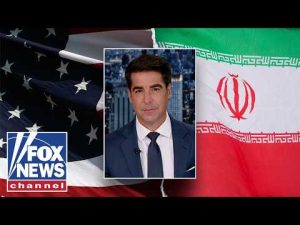
The recent fallout over the conflict involving Iran presents a complex situation that challenges the conservative coalition supporting the current administration. As tensions simmer, there’s a palpable divide among right-leaning constituents who generally support the president but are now questioning the wisdom and longevity of military involvement. This division reflects the core of conservative values, which traditionally emphasize a cautious approach to foreign interventions, prioritizing national interest and fiscal prudence.
During the last election cycle, a broader and more diverse coalition propelled the conservative agenda forward. This coalition included a mix of young and minority voters, such as African-American and Hispanic communities, as well as millennials and Generation Z who resonated with the Trump administration’s economic and social policies. Yet, it seems these same groups are not keen on entangling the nation in another lengthy and costly foreign war. Their skepticism is shared by the historically anti-war rural and working-class voters stretched across the Midwest and Southwest, a crucial demographic whose support remains essential for electoral success.
The debate over this conflict also spills into the realm of media and public discourse. Recently, discussions have highlighted the tension within conservative media platforms, juggling the need to advocate for their audience’s diverse opinions while maintaining a robust support base for the administration. Platforms such as Turning Point USA face scrutiny for allegedly backing figures critical of Trump’s approach. Despite this noise, the reality is that not all conservatives are in lockstep regarding foreign policy, and these differences reflect healthy democratic discourse rather than disunity.
Prominent figures and media hosts have displayed a nuanced stance, often supporting the president while stressing the need for critical evaluation of military strategies. These hosts argue that appreciating the president’s intent does not preclude them from expressing concern when necessary. Historical lessons from engagements in Iraq, Afghanistan, and Libya serve as stark reminders of the unforeseen costs and domestic political fallout that can arise from prolonged military campaigns.
Young conservative voters, in particular, don’t want to be burdened with the economic or social consequences of foreign interventions that bear little connection to their immediate concerns. They prioritize economic opportunities, debt reduction, and domestic stability over costly international ventures. As such, any misstep that leads to political losses in Congress could severely impact the administration’s ability to govern effectively. Therefore, it is vital for the president and his advisors to carefully weigh the risks and benefits of escalating military actions and ensure that their strategies align with the broader values and priorities of their voter base. This balance will not only secure continued political support but also safeguard the nation’s interests on the global stage.