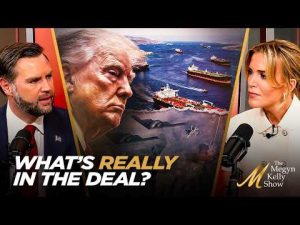
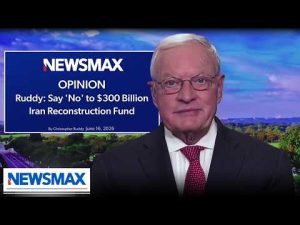
In a recent discussion surrounding military strategies, a conservative viewpoint emerged, shedding light on the complexities of warfare, especially when dealing with nations like Iran. The debate focused on the sensitive issue of targeting civilian infrastructure and the implications it might carry. It seems that some members of the media, in what was described as a disingenuous effort, are attempting to paint military leaders in an unfavorable light, which raises questions about the role of journalism in justice and truth.
The conversation highlighted the notion that not all military targets are created equal. In fact, the discussion outlined that certain locations can justifiably be targeted, especially if they are being used for military purposes. A key point made was that hitting a hospital, for example, is only permissible under very specific circumstances—namely if that facility is being utilized as a launch point for military operations. This perspective suggests that any actions taken by military leaders are grounded in strategy rather than a reckless disregard for civilian life.
Critics from various corners argue that the media’s questioning tactics sometimes overshadow the important context required to understand military engagements. Instead of yielding clarity, these inquiries could inadvertently obscure vital information. The implication here is that when the media waters down the nuances of military decision-making, it hampers the American public’s ability to comprehend the full scope of the situation—a situation that is often far more complex than it is portrayed.
Moreover, the discussion revealed a sense of frustration among military strategists regarding the way their intentions are questioned. It appears the narrative that the media crafts could unfairly characterize military leaders and their advisors as criminals rather than professionals dedicated to safeguarding national interests. Being surrounded by such scrutiny can complicate the decision-making process, as military officials focus not only on achieving operational objectives but also on making a case for their actions to the public—which is often easier said than done.
In summary, the conversation surrounding military targeting strategies, particularly in the context of Iran, has provoked a considerable amount of thought. While legitimate questions should undoubtedly be raised about any military action, it’s crucial to recognize the layers of complexity involved. Approaching such discussions with an understanding of the tactical reasons behind military strategies may foster a more informed dialogue. After all, in the world of politics and warfare, nuance is the name of the game, and it’s the responsibility of everyone—be they military officers, journalists, or everyday citizens—to seek the complete picture before jumping to conclusions.