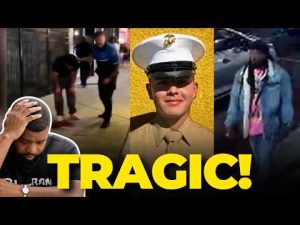
The recent events in Wilmington, where a young man lost his life due to a stabbing, have raised serious concerns about police accountability and emergency response. Eyewitness accounts and video footage have shed light on a troubling scene where instead of springing into action, multiple police officers stood idly by as a civilian attempted to render aid. This is simply unacceptable, and it raises questions about the training and preparedness of law enforcement in critical situations.
There is a stark contrast between what citizens expect from those in uniform and what this incident has unveiled. The core responsibility of police officers is to protect and serve, especially during emergencies. When time is of the essence, hesitation can lead to tragic consequences. Officers are trained to act swiftly and decisively. However, in this case, their response was not just inadequate; it was shocking. Why were officers more concerned with putting on gloves than with saving a life? The video evidence suggests an alarming freeze in action that is unbecoming of police officers who are sworn to serve the public.
As details of the incident emerged, some may argue that the officers’ behavior did not meet the threshold for criminal charges—yet this perspective misses a crucial point. The question isn’t just whether the officers broke the law; it’s about whether they fulfilled their duty to protect and assist those in peril. By failing to act in the face of an emergency, they undermined their own oath. Active engagement and a sense of urgency are essential during such critical moments. It’s disheartening to think that the very individuals tasked with our protection were paralyzed by inaction when lives were at stake.
Additionally, the response from Wilmington police highlights deeper systemic issues within law enforcement training. Shouldn’t police officers undergo robust training that includes immediate medical response, particularly in life-threatening situations? The troubling image of a bystander jumping in to help where officers hesitated reveals a gap that needs urgent attention. How can citizens trust a system that responds so lackadaisically in moments of crisis? The public deserves and demands better.
Calls for suspension and retraining of officers involved are not merely a reaction; they reflect a necessary step towards accountability. It’s crucial for law enforcement agencies to recognize that being a police officer is about more than just wearing a badge. It involves an unwavering commitment to act when it matters most. The citizens of Wilmington, and indeed all of America, expect their police to embody strength, resilience, and proactive care when lives hang in the balance. This incident is not isolated; it is a call to action for our law enforcement to reflect, retrain, and respond appropriately in future emergencies, ensuring that they are prepared for the stark realities of their duty.
In conclusion, while the loss of life is tragic, it brings with it an opportunity for reflection and improvement within the law enforcement community. The commitment to protect and serve must be matched by the courage to act in dire situations. Officers must remember that their training should prepare them for such instances, and any hesitance could cost lives. Now is the time for accountability and change—our communities deserve nothing less.