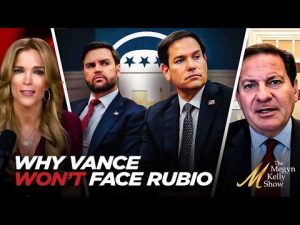
In the landscape of American politics, where fortunes can shift more quickly than the winds, the latest developments surrounding JD Vance and Marco Rubio provide a compelling tale of power dynamics. Conservative circles buzz with speculation on whether JD Vance, with his notable credentials and burgeoning family responsibilities, will ultimately throw his hat into the ring. Yet, as the political gears keep turning, it becomes evident that Vance’s pathway isn’t as clear-cut as some might have anticipated.
The scuttlebutt swirling around Republican circles suggests that JD Vance’s previously perceived stronghold might be weakening. The reasons behind this shift are multi-faceted and speak to the complex web of Republican political calculations. While some contingency within the party believes Vance deserves an unchallenged rise to candidacy, others feel a robust contest would better serve the party’s interests. This discord reflects a broader internal conversation on how best to prepare for the upcoming elections and whom to stand behind.
Marco Rubio, a seasoned and resilient political figure, emerges as a possible key player—albeit not necessarily as a direct challenger to Vance. The narrative here is not so much about opposition but about readiness. Rubio, who commands respect within various Republican circles, including from major donors, elected officials, and influential consultants, is seen more as a steady backup plan if Vance chooses to step aside. Rumors suggest that if Vance opts out, Rubio is poised to be the consensus choice, a decision heavily influenced by the president’s leanings.
A crucial detail in this intricate political dance is the role of presidential endorsement. Such a nod—whether direct or through silence—carries considerable weight in shaping the primary landscape. Historically, presidents have sometimes chosen to withhold endorsements from their vice presidents, an act laden with political implications. If the president chooses not to endorse Vance, it may signal an open season for other contenders to vie for the nomination, adding an element of unpredictability to the race.
In conclusion, the unfolding saga between JD Vance and Marco Rubio highlights the delicate balancing act within the Republican party. As aspirants position themselves for future political battles, decisions made in the coming months will reverberate throughout the party’s ranks and have lasting effects on its national strategy. While many questions remain unanswered, what is clear is that the party is in the midst of a recalibration, seeking the most formidable candidate to champion its values and lead it to electoral success.