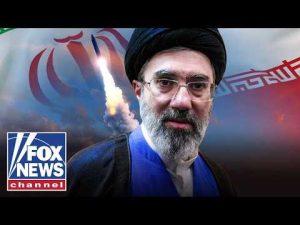
In the kaleidoscope of Middle Eastern geopolitics, the United States has once again found itself in a familiar and turbulent neighborhood—between a rock and a hard place. Over the past weekend, the U.S. executed targeted strikes on Iranian installations, aiming to cripple radar systems and drone command centers. This move was described by military dignitaries as “defensive,” which sounds comforting until one realizes it’s code for “Iran shot down a $4 million U.S. drone.” Apparently, there’s something avian in a drone’s flight path that irritates the Iranian military into firing reflexively.
The complex scenario doesn’t just stop at radar systems. Iran, bless their predictable retaliation playbook, opted to hit back by sending drones and missiles towards Kuwait. To add another layer to this international chess game, President Trump continues to insist that Iran “really wants to make a deal.” This is a charming sentiment akin to saying a hyperactive ferret wants to learn yoga.
In Israel, tensions have also escalated with Hezbollah, Iran’s mischievous proxy, launching a barrage of rockets into Israel. Predictably, Israeli Prime Minister Netanyahu responded with military operations striking Lebanese territories. Tehran has audaciously attempted to hitch a ceasefire with Hezbollah to the broader Iranian-U.S. negotiations, as if an exchange of rockets makes for good leverage in peace talks.
And then there’s the amusing subplot involving Iranian President Masud Peskian’s rumored resignation, which the man himself denies. This whiff of intrigue from Tehran serves up more questions than answers about their internal politics. The situation illustrates the classic tug-of-war between moderates and hardliners within Iran’s corridors of power, a rivalry as thrilling and twisty as a soap opera plot—except this series impacts global peace and security.
Meanwhile, President Trump remains unwavering about his quest for a deal. From the situation room to his favorite media platforms, he reiterates his commitment to ensuring any agreement safeguards American interests while deftly dodging pitfalls that previous administrations waltzed into. Critics may mutter about timelines and election pressures, but the President maintains his gaze firmly on the strategic horizon. As everyone holds their breath, it’s clear that in this volatile theater, patience and prudence are not just virtues but necessities.