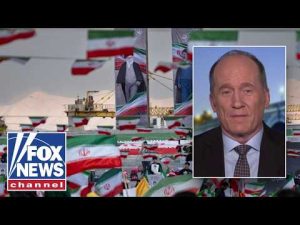
The recent ceasefire in the Middle East has been a ride as bumpy as the Cyclone at Coney Island. It seems like everyone’s thankful for a breather after weeks of back-and-forth madness. On one side of the ring, President Trump basks in a sense of victory as “smoldering rubble” talks spurred negotiations. Meanwhile, the opposing side deals with the debris of its heavily impacted infrastructure, possibly rethinking its stubbornness. While it seems like a victory dance in some circles, the situation begs the question: what comes next?
The strategically important Strait of Hormuz, the watery pressure point in this geopolitical chess game, continues to throw its weight around. It’s no secret that this narrow body of water serves as a critical artery for global oil, giving Iran a hefty bargaining chip. While Iran plays its cards, President Trump might just be wondering why he can’t have a seat at this poker table and deal his own hand. Picture this: American administration decides to close the Strait temporarily, and anything trying to cross gets seized. It’s all legal, folks, under maritime law. Talk about flipping the script and turning the screws without even firing a missile.
Then there’s the nuclear talk—the tricky bits about uranium enrichment, where Iran’s double-edged sword tends to make western negotiators see red. Sometimes Iran plays nice, all smiles and offerings at the table. Other times, they turn the dial up, claiming they have every right to enrich uranium like an overenthusiastic science fair project. However, wily Westerners aren’t exactly buying what’s being said unless it’s about regime survival. Keeping uranium without handing it over to a trusted source? Highly unlikely, especially when whispers suggest that target lists from Secretary Hegith are still floating around, ready for action if needed.
Meanwhile, Iran’s economy stands on shaky ground, much like a Jenga tower missing a few too many pieces. The regime gambles on the hope that political hurricanes will blow away Trump’s economic sanctions. But come on, this isn’t a poker night at your uncle’s house. Economic pressure is still the name of this party game, and it’s easy enough to ratchet it up without the extra hassle of deploying troops. Shutting off oil revenue, which accounts for a whopping 40% of their state budget, is akin to pulling the financial rug right from under them.
In the end, it’s a waiting game. The regime’s collapse is considered not a matter of “if” but “when.” Some popcorn-munching political analysts are probably setting up camp, waiting to see if Iran will indeed crumble under the weight of its woes. A government that actually looks out for its own citizens? One can dream. And as for the health and presence of the ever-elusive Ayatollah, scoops about his status seem to emerge from a press release inspired by weekend comedy movies. Whether the cardboard version or the real deal makes an appearance, eyes are peeled for any sighting, and reactions from neighboring countries might just bring in a fresh wave of chaos.