In a world saturated with constant conflict and diplomatic tensions, one might think they’re watching the latest blockbuster film when tuning into the developments in the Middle East. Alas, this is not Hollywood. It’s reality, and it comes with all the unpredictability and drama one would expect, minus the popcorn. The plot thickens as Israel and Iran engage in a deadly exchange featuring missile strikes, sleeper cells, and military maneuvers that make chess look like a game of checkers. Amidst this chaos, one has to wonder: are we witnessing geopolitical strategy or a behind-the-scenes game of geopolitical whack-a-mole?
In Tel Aviv, there’s never a dull moment, as residents had an impromptu glimpse into the hotel-academy of missile dodging. Iran, never one for subtlety, fired cluster munitions towards civilian areas, resulting in tragic losses. Meanwhile, Israel, with its keen sense of defense, responded with airstrikes not just in its backyard but also by giving Hezbollah in Lebanon a rather unscheduled wake-up call. As missiles light up the sky, the gumption displayed on both sides seems to be nothing short of audacious.
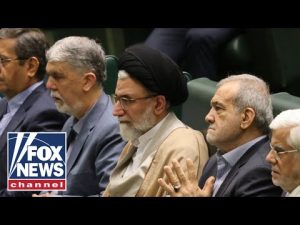
One might think Israel would be a touch embarrassed about deploying airstrikes left and right, but when precision targeting the likes of Ismael Katib, top brass of Iran’s intelligence charmers, they might just be on to something. This sortie into the Middle East dance is layered, and while Israel seeks to neutralize military threats, they’re also keeping a watchful eye on political ripple effects in Tehran, where besiege forces found themselves in the crosshairs too. This is real-life chess, with not just pawns but entire buildings being knocked off the board.
On the bigger stage, here come our NATO allies—or rather, don’t. It seems when Donald Trump isn’t busy being chagrined by the current administration, he’s fuming over NATO’s lackluster performance in supporting allies like Israel and the United States in hot zones like the Strait of Hormuz. It’s a classic case of ally indifference, and Trump’s not wrong to be disgruntled. After all, if you’ve got a club and the club members aren’t there when you need them, you might want to question the membership fee.
Operation hodgepodge over at the now-infamous Hormuz stands as a testament to ruthlessness with the strategic bombardment efforts in the region. From Iran’s drones to naval capabilities, America seems to be picking off targets like they’re playing a game of darts. Yet, the fear remains that while the Iranian regime might be weakened, they’ve become the equivalent of a cornered badger. However, optimistic folks will note that the current administration believes this affair will trim Iran’s claws, potentially making them a less menacing regional threat.
Back home, security officials gear up to treat us stateside folks to a good, old-fashioned Senate Intel Committee spectacle, discussing security threats. Sleeper cells and border concerns have popped onto the comedic stage. Once again, as adrenaline-fueled as an international thriller, Joe Biden’s border policies seem to add spice, just the wrong kind. But lest we focus solely on doom, it’s underscored that America’s grand chessboard got some serious rearranging by Mr. Trump, getting smiles from strategists who appreciate a satisfactory geopolitical plot twist.
In sum, the Middle East drama unfolds with no shortage of fireworks, strategic gambits, and occasional exasperation. Yet amidst it all, there’s a test of perseverance, diplomacy, and how far world chess enthusiasts are willing to go before someone knocks over the board and declares the game over. One thing’s for sure, there’s never a dull moment when geopolitics is the game being played.