### Tensions Escalate Over Carg Island: A Critical Oil Hub Targeted
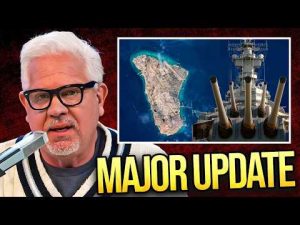
In a significant turn of events, a major strike targeted Carg Island, a strategic oil hub off the northwestern coast of Iran. It is reported that nearly 90 military targets were hit, showcasing a high degree of precision. This island is vital for Iran, as it processes approximately 90% of the country’s oil, which is subsequently shipped through the Strait of Hormuz—a crucial passage for global oil supplies. The recent military action has sparked discussions about its implications for the Iranian regime and the stability of oil markets worldwide.
Carg Island serves as a linchpin for Iran’s oil production, with tankers regularly transporting crude oil to various destinations. By targeting military installations on the island, the goal seems to be to neutralize any threats posed to the Strait of Hormuz while leaving the infrastructure intact. This means that, despite damaging military assets, Iran could technically resume its oil operations swiftly. The military precision of the strikes has raised eyebrows, indicating a well-calculated plan that minimizes disruption to the oil supply while deterring military aggression.
The timing of the strikes coincides with reports of a Marine Expeditionary Unit en route to the Gulf. This deployment sends a clear message to Iran about the consequences of attempting to block the Strait of Hormuz further. Historically, Marine Expeditionary Units comprise an entire war machine within a few ships, encompassing air, ground, and naval capabilities. Such a show of force is not merely a warning; it is a strategic maneuver to showcase military readiness and deter any further Iranian aggression.
Amidst escalating tensions, the internal dynamics within Iran add another layer to the situation. Reports suggest that there are some defections occurring within the Iranian Revolutionary Guard Corps (IRGC) and other security forces, hinting at cracks within the regime. However, these defections are not widespread enough to signal an imminent collapse. The regime remains determined to suppress any dissent or movement opposing them, relying on their loyal supporters to counteract protests and maintain their grip on power.
Analysts suggest that as the situation evolves, Iran faces an uphill battle against the backdrop of military engagements and apparent domestic unrest. The Iranian regime has long relied on protracted conflict strategies to outlast opponents, believing that political will in the U.S. and elsewhere will wane over time. Coupled with a steadfastly divided American political landscape, this could embolden Iran to prolong hostilities, strategically impacting global oil markets and redefining regional power dynamics.
This intricate dance of military action, political maneuvering, and economic stakes highlights the profound implications of the events unfolding on Carg Island. As tensions rise, it becomes increasingly clear that the stakes are not just for Iran, but for the entire world economy, which relies heavily on the stability of oil supplies from the region. What happens next remains uncertain, but the eyes of the world will undoubtedly be on the Strait of Hormuz as the situation unfolds. The balance between military action and diplomatic strategy will be crucial in determining the outcome of this high-stakes scenario.