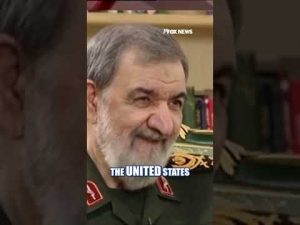
As the United States gets ready to squeeze Iran with a fresh round of economic sanctions, Iran’s leadership is rattling its saber with typical bluster. They’re hinting at a brave new world where the U.S. gets the cold shoulder and Iran calls the shots in the Gulf. Picture this: Iran, the self-styled regional boss, trying to persuade its neighbors to ditch Uncle Sam and dance to a new tune of security and economic partnerships. This is the Middle East plot twist we’ve all been waiting for—or not.
Of course, these dramatic declarations from Iranian officials are meant to give an air of unity and strength. But scratch the surface, and it’s not just a matter of empty patriotic prose. With prices climbing like a weary hiker and goods getting scarcer than a desert oasis, Iran’s internal political landscape seems to be splintering faster than a brittle pane of glass. On one side are the hardliners, who cling to their defiance like a toddler with a security blanket. On the other, you have the moderates trying desperately to change the station from ‘constant conflict FM’ to ‘peaceful coexistence AM.’
Interestingly, President Trump and his administration might be sitting back with a bag of popcorn, hoping the moderates win this political tug-of-war. President Trump himself has pointed out the awkward situation: Iran’s leadership roster has been trimmed so much by sanctions and other pressures that he jokingly laments not knowing which star, or rather, planets, to speak to in Iran’s leadership cosmos. It would seem the pressure was almost too much, creating a political black hole of sorts.
But Monday holds new promise—or, depending on who you ask, new threats. Treasury Secretary Scott Bezon is set to deliver a plan aimed at turning Iran into a geopolitical hermit crab. It’s a daring plan that would require the U.S. to get some unlikely partners on board. Russia and China, after all, are not exactly waiting with bated breath to lend a hand to Uncle Sam. Iran has a pretty handy geographic location, with entryways like the Caspian Sea giving them a direct line to Russia, and railroads connecting them with China in some sort of twisted global board game.
So the world waits, teetering between a potential diplomatic breakthrough and a continuation of stalemate with a side of sanctions. Will the U.S. manage to ramp up enough pressure to bring Iran to the negotiating table? Or will Iran’s leaders double down on their narrative of regional rearrangement? As the drama unfolds like a soap opera designed to test one’s patience, Americans will need some popcorn and a sense of humor to weather the updates. Time, strategy, and a pinch of luck will determine whether these sanctions will hit the jackpot or end up as just another round of meaningless geopolitics. In the meantime, viewers will watch the news and perhaps treat it as must-watch reality TV.