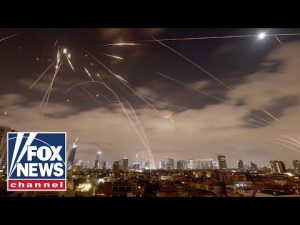
In central Israel, life was interrupted by a sudden barrage of missiles, courtesy of Iran, which decided to voice its displeasure with quite a bang. Of course, Iran’s overnight venture turned the skies over Tel Aviv into a theatrical performance, with cluster munitions breaking apart like some ill-timed firework display. Despite the chaos, there were no serious injuries reported, just cars and unfortunate buildings serving as collateral damage as Israel’s missile defense system played defender, doing its bit to swat down the incoming fireworks show.
While first responders were busy keeping order on the ground, Israel wasn’t sitting idle. The Israeli military launched counterstrikes aimed at sites within western Iran. The tension wasn’t just contained to Israel, as the Persian Gulf became another hotspot of action. The U.S. Central Command had its sights on Iranian targets, reminding everyone about the strategic importance of places like the Strait of Hormuz. And talk about flexibility—President Trump chimed in to illustrate just how thoroughly Car Island had been dealt with, showcasing that sometimes “just for fun” is an apt military strategy.
The tension in the Persian Gulf was further stoked by statements from Iran, claiming American influence has been nothing short of disastrous over the past half-century. Apparently, the presence of U.S. vessels is a recipe for insecurity, and Iran’s solution seems to be rolling out the welcome mat with a strict “No America Allowed” policy. This tough talk from Iran is nothing new, but it stirs the pot whenever missiles start flying.
Meanwhile, Israeli intelligence went into action, taking a strategic move against Iran’s Quds Force. Starting something dubbed the “Quds File,” they’ve set their sights on dismantling Iran’s operations across the Middle East. Recent successes were reported, including taking down several high-profile targets, essentially unplugging the network of cargo planes used to funnel weaponry to various proxies. It’s like a more efficient game of whack-a-mole, ensuring these munitions stay out of the wrong hands.
As the dust settles, metaphorically speaking, the real question arises: what’s next in this volatile chess game in the Middle East? While Iran flexes its muscles and America and Israel respond in kind, one wonders how long this intricate dance will continue. Perhaps there’s a lesson or two in all this—namely, the folly of throwing stones when living in glass houses or perhaps, in this case, launching missiles. The Middle Eastern drama continues, and while the players may change, the stage remains perilously the same.