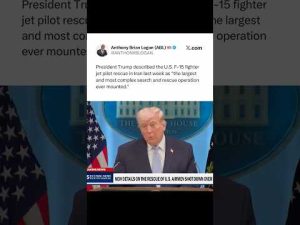
The recent military operation to rescue a downed American pilot in the rugged mountains of Iran reads like an intriguing spy novel, complete with deception, bravery, and international intrigue. The complexity and audacity of the mission underscore the exceptional capabilities of the U.S. military. From ejecting amidst danger to outmaneuvering potential capture for 48 hours, this adventure had all the makings of a Hollywood blockbuster—minus the predictability.
As the situation unfolded, a series of sophisticated maneuvers kept the Iranians guessing and arguably provided a lesson in military strategy 101. The pilot evaded capture by utilizing the rough terrain at high altitudes, leaving Iranian pursuers bewildered. In a move that would make any sleuth proud, the CIA reportedly orchestrated a dazzling ruse. By misleading the Iranians into thinking the pilot was being whisked away via the sea, they flung a monkey wrench into Iran’s capture efforts, leaving their experts scratching their heads.
All of this unfolded amidst a backdrop of military might as various aircraft filled the skies, ready to handle any escalation. The powerful F-15s, relentless B1 bombers, and the ever-watchful Reaper drones positioned themselves as vital enforcers in the skies, demonstrating America’s might. Their mere presence was a reminder to the world, and perhaps more importantly to Iran, of the lengths the U.S. will go to protect its servicemen and women.
Much could be said about the Commander-in-Chief’s steely resolve and decision-making prowess. He’s shown a pattern of cutting through the red tape, unlike some of his predecessors who preferred diplomacy over daring missions. From Syria to Iran, his actions reflect a firm commitment to national security and a robust stance against those who threaten American interests. It’s a page from the playbook that embraces risk for a greater reward, one that resonates well with those who favor decisive action over interminable debates.
Now, as the world watches and waits, the chess game with Iran continues. The struggle over the Strait of Hormuz hovers on the precipice of resolution. The administration is backed by a steadfast philosophy—strong-arm tactics over diplomatic concessions. There’s a clear warning embedded here: bending to Iran’s demands could seed future problems. The current administration seems reluctant to press the pause button, aiming instead to forge forward until the proverbial fat lady sings. As this saga unfolds, one can’t help but feel that history could soon pen another chapter showcasing America’s strategic prowess and gumption.