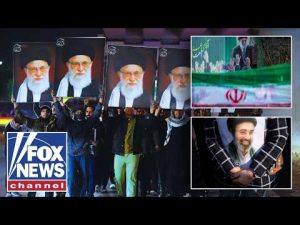
In the unpredictable world of international politics, the saga of Iran’s leadership seems to take on an almost surreal quality. Imagine passing the baton in a family relay race, only instead of a baton, it’s the reins of a controversial regime. The stage is set with the new Ayatollah, the son, stepping into his father’s shoes, and, if reports are to be believed, this isn’t exactly a case of “like father, like son”—it’s more like “hold my chai, and watch this.” This young leader seems to have taken the audacity dial and cranked it up past eleven, casting a long shadow over any prospect of diplomatic dialogue with the United States.
The new Ayatollah’s history isn’t exactly a fairy tale. Back in 2009, he demonstrated his appreciation for public protest by stomping it out with vigor. Combine this with his alleged ties to the IRGC—a group that is as warm and cuddly as a cactus—and you have someone whose idea of a partnership probably doesn’t involve pleasant negotiations over coffee with American diplomats. Losing close family members at the onset of the conflict certainly doesn’t foster goodwill either, making the pursuit of a cooperative Iranian partner akin to finding a snowflake in the Sahara.
But let’s ponder an age-old solution: praying for a regime change via foreign intervention. If Israel starts a game of high-stakes whack-a-mole with Iranian hardliners, do they ever hit that jackpot where moderation prevails? Frankly, it looks more like a game of how-many-ayatollahs-do-we-have-to-go-through-before-we-find-a-friendly-face. In this game, it seems that being the Ayatollah isn’t just a title but a bullseye for those seeking diplomatic breakthroughs.
Meanwhile, Iran’s strategic playbook appears thinner than a high school reading assignment. Initially, they played the oil card, hoping to pressure the United States through skyrocketing prices. Unfortunately for them—or perhaps fortunately for everyone filling their gas tanks—those prices came back down once the U.S. showed it had everything under control. As for rallying the Gulf states against the U.S., Iran’s efforts seem to have been as effective as a waterproof teabag, driving these nations closer to the U.S. rather than away. What now? The cupboards of military options are looking bare, and the clinking noise you’re hearing might just be Iran scraping the bottom of the barrel.
Amidst the chaos, there’s the interesting subplot involving a certain phone call between Putin and Trump. It’s always something to see world leaders engaging in a tête-à-tête, especially when Russia has been suspected of providing Iran with sensitive targeting information while Ukraine has been showcasing its advanced drone technology. More than ever, Trump’s optimism about quick resolutions contrasts sharply with the realities of global politics. You’d almost expect him to turn Iran into a real estate extravaganza once he abolishes their military capabilities.
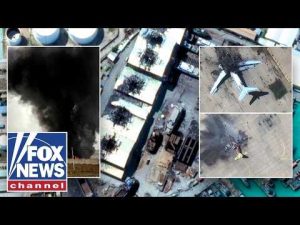
As if this geopolitical soap opera needed more intrigue, the focus turns to a little-known island named Carg in the Strait of Hormuz. This island, being tiny yet strategically crucial, is key to Iran’s oil exports. Capturing it would be—and pardon the mixed metaphor—a game-changer on the chessboard. By seizing Car Island, the U.S. could potentially hold Iran’s oil future in its hands, giving Trump the kind of leverage that makes real estate deals look like playground antics.
So, grab your popcorn and settle in. The coming weeks promise to be a roller coaster ride through diplomatic minefields, strategic blunders, and possibly more regime changes than you can shake a stick at. Whether Iran’s latest leader opts to cooperate or merely continues the family tradition of rattling sabers remains the trillion-dollar question, but one thing’s for sure: the world is watching, and nobody’s holding their breath for a fairy-tale ending.