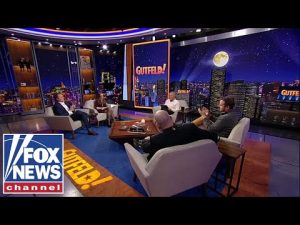
Once a cherished part of American culture, late-night TV is seeing a dramatic decline. The reason, humorously enough, could be linked back to comedians who have lost their senses of humor. Once the nightly lullaby of laughter, these shows are stumbling upon a modern adversary: themselves. Instead of comedy, they now dish out a nightly serving of outrage—a heaping helping of anger that audiences have apparently tasted enough of.
Take Jimmy Kimmel, for example. He seems to have swapped jokes for rants, turning his comedy stage into a political soapbox. But this heavy-handed fare hasn’t gone down well with audiences seeking a bit of light-hearted relief after a day fraught with stress, traffic, and inflation woes. The result? Nose-diving ratings. Meanwhile, Greg Gutfeld, who keeps his gag bag brimming with humor, is climbing the popularity charts, leaving the likes of Stephen Colbert and others trailing behind.
The issue at the heart of this is that the current late-night hosts have traded in their comedy gold for iron-clad outrage. Conan O’Brien, admired by many for his commitment to the craft, pointed out how comedians have abandoned their best weapon: being funny. He argues that once comedians fell into the habit of venting their anger, they became like sailors lured by enchanting sirens to rocky shores, abandoning the true art of comedy by prioritizing anger over humor.
And who can miss the irony when Kimmel, on the heels of a serious incident involving ICE agents, dismisses laughs to promote propaganda? Instead of uniting audiences in laughter, he riles them up, missing the point of having audiences gather close around their TVs in the first place: a shared chuckle or two. At a time when unpredictability seems like the only predictable thing, late-night viewers crave a comedic release valve—not more angry politics.
The king of late night, Johnny Carson, famously stayed away from wielding his platform for heavy-handed messages. Carson knew that his role wasn’t to tackle controversies but to provide a hearty belly laugh to wrap up the day. Today’s comedians might do well to dust off the old scripts and remember: a good joke can be more powerful than the most impassioned monologue. Rebuilding their funny bone might just be the key to winning back audiences. In the end, it seems telling a good joke—as always—is still the best policy.