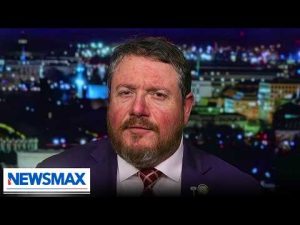
Recently, two Republican Congressmen, Andy Ogles from Tennessee and Randy Fine from Florida, have found themselves in the spotlight over their bold comments regarding the rise of radical Islamic terrorism in America. It seems like they decided to skip the small talk and dive headfirst into a discussion that is sure to make some people uncomfortable. While some media outlets focus on rising Islamophobia, Ogles and Fine are sounding the alarm on the dangers posed by a small but alarming subset within the larger Muslim community.
Ogles and Fine brought attention to the unsettling fact that, in just a short span of 18 days, the country faced four terrorist attacks linked to individuals reportedly motivated by radical Islamic beliefs. Instead of focusing solely on fear or suspicion directed toward Muslims as a whole, they argue that it’s essential to differentiate between the peaceful practitioners of the faith and extremists who commit violence in the name of Islam. Ogles went so far as to highlight that no American mosques have publicly condemned the attacks. Here’s where things get interesting — if a Christian or a Jew committed similar acts, church leaders would swiftly denounce such actions. According to Ogles, this silence is deafening and should not go unnoticed.
Both Congressmen have emphasized that they are not targeting all Muslims. In fact, they acknowledge that not all Muslims are terrorists. However, they point out that the pattern of violence appears to be linked to a radical ideology that some adherents of Islam espouse. The heart of the matter, they insist, lies in the need for open dialogue and accountability within the Muslim community, especially when it comes to addressing extremist influences.
Fine took this conversation a step further by introducing a bill that would ban Sharia law in the United States. The Congressman backed his stance by outlining some of the more extreme tenets associated with Sharia law, which he believes simply do not align with American values. His point is clear: freedom of religion should not come at the expense of others’ rights or safety. If one wants to practice their faith privately, they are welcome in the United States; however, when that practice seeks to impose on others, it crosses a line.
The congressmen also hinted at the importance of historical context in their arguments. Ogles pointed out that the founding fathers were primarily concerned with protecting Judeo-Christian values, and the idea of religious freedom as we understand it today did not include the radical interpretations evident today. This perspective seems to suggest that the current landscape of religious practice in America is straying too far from its roots. They believe that current discussions on religious freedom should address these discrepancies and ensure that any faith practiced within the United States aligns with the fundamental rights upheld by the Constitution.
There’s no denying that this conversation can be polarizing. But Ogles and Fine argue it’s a necessary discussion that challenges the status quo and calls on all communities to engage openly about the issues at hand. In their view, avoiding tough conversations helps no one, and tackling these complex matters directly is the only path forward to ensure safety and understanding in a diverse society. After all, isn’t that what America is about? Engaging in hard dialogues, even if they sometimes get a little heated?