**Maduro’s Downfall: A Game-Changer for Venezuela and the U.S.**
Big news is buzzing in the political world: Nicolás Maduro, the notorious dictator of Venezuela, has been ousted and is currently being arraigned in a federal courthouse in Manhattan. This monumental event has taken many by surprise, especially as it seems Congress was kept largely in the dark about the unfolding situation. A sitting congressman shared feelings of frustration regarding Congressional briefings, claiming leaks had hampered their ability to stay informed. Congress, it appears, functions like a sieve with the speed at which information travels, often faster than a kid chasing the ice cream truck.
As Congress gears up to get briefed on this development, discussions have erupted regarding whether the administration acted appropriately by withholding information. The minority leader in the House raised eyebrows by questioning the justification behind this lack of briefing, claiming there was no imminent threat to national security. However, another member of Congress argued that the legal circumstances surrounding Maduro’s indictment did not warrant a pre-briefing. It seems Congress may be divided on how best to handle this situation, with Democrats focusing on the legal aspect and Republicans leaning into national security concerns.
At the heart of this discussion lies a classic debate regarding American intervention. Some conservatives argue that the U.S. must avoid unnecessary foreign entanglements, reminiscent of the controversial approaches toward Iraq and Afghanistan. Yet, as Maduro’s influence crumbled, another layer unwrapped—the significance of the Monroe Doctrine, which holds that countries in the Western Hemisphere should maintain stability free from foreign adversaries. With China eyeing Venezuela’s oil, the stakes are high. Many voices in the Republican party believe that protecting American interests requires keeping adversaries at bay, especially when valuable resources—like oil—are at play.
One congressman outlined the need for a cautious approach in the wake of Maduro’s deposition. While the situation might remind folks of past military actions, the complexities surrounding Venezuela are unique. The focus now is not just on removing a dictator but on ensuring that no vacuum is left for adversaries like China to exploit. America is not interested in nation-building; rather, it seeks to encourage democratic processes. There’s a shared hope among some officials that under good leadership, Venezuela can return to its democratic roots—after all, the country once held regular elections before descending into chaos.
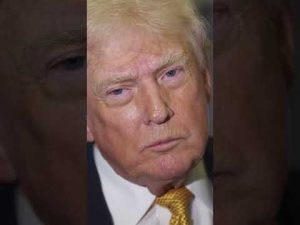
A key point to consider is how the U.S. will manage the transition following Maduro’s exit. While some conservatives believe the administration acted decisively, questions linger about the potential costs of military involvement and the challenges of fostering cooperation with those still in power in Venezuela. President Trump has been adamant that stability in neighboring countries is paramount for U.S. interests, a sentiment that echoes the core principles of the America First agenda. The next steps will be closely monitored—not just the political maneuvers but also how they reflect on the trust Americans place in their government’s decisions overseas.
As this saga unfolds, the overarching question remains: How will America balance its commitment to national security with its historical reluctance for foreign involvement? In the weeks and months to come, the world will watch closely, and whether they’ll be cheering or jeering at the U.S. approach remains to be seen. Regardless of the outcome, one thing’s for sure: politics just got a little spicier with Maduro’s deposition. Buckle up, folks!