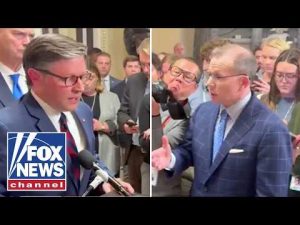
The arrest of Don Lemon by federal agents late on January 29, 2026, after the January 18 protest at Cities Church in St. Paul, has exposed the rot in our media’s moral compass. What should have been a sober conversation about religious freedom and the rule of law instead turned into a chorus of performative outrage from the very journalists who too often confuse activism with reporting. The Justice Department says the arrests grew out of a coordinated disruption of a worship service, and Americans deserve clarity, not virtue-signaling.
Attorney General Pam Bondi publicly framed the action as needed to protect worshippers, and federal prosecutors have charged those involved under statutes meant to preserve the right to worship without harassment. These are serious allegations — conspiracy and violations of protections that shield religious assemblies from being interrupted by outside actors — and they deserve to be investigated and adjudicated in court, not litigated on cable television. The playbook of rushing to defend colleagues before the facts are in is a sign of how partisan our newsrooms have become.
Don Lemon’s defenders point to his long career and insist he was performing journalistic duties; his attorney said as much and he was released on his own recognizance after the arrest. But the First Amendment is not a get-out-of-jail-free card that allows reporters to join disruptive mobs and expect immunity. If Lemon truly believes the law is being misapplied, the proper remedy is to fight it in court — not to demand instant exoneration from the same media industrial complex that rewarded his on-air stunts.
Instead of sober analysis, Jim Acosta marched straight into his familiar grievance routine, accusing the administration of racism and urging protests in the streets. That kind of incendiary rhetoric from a former colleague only serves to inflame tensions and distract from the real issue: whether Americans’ right to worship without harassment was violated. Conservatives should not pretend to be neutral cheerleaders for lawlessness, and neither should any journalist who claims to care about fairness.
Julie K. Brown and other high-profile reporters immediately invoked alarmist comparisons about “first they came for the journalists,” as if the lawful enforcement of statutes protecting worship is indistinguishable from tyranny. That melodrama plays well on social media, but it cheapens real threats to civil liberties when every arrest of a liberal pundit is framed as political persecution. Defending journalism means defending responsible reporting, not shielding colleagues who may have crossed a legal line while chasing clicks.
Let us be clear: protecting religious gatherings from disruption is not a partisan ploy; it is a bedrock American value. The FACE Act and related statutes exist precisely because ordinary citizens expect to be able to pray and worship free from intimidation. If journalists want to cover protests, they can do so from the perimeter like the rest of us and still hold power to account — they do not get to become the story by participating in disruptive acts.
The larger lesson is about accountability and media credibility. The same institutions that screamed when conservative voices were censored now rush to confer martyrdom on every liberal commentator who faces legal trouble. That double standard corrodes public trust and hands power to those who would weaponize the justice system for political theater. Americans who love liberty and respect the rule of law should reject both the performative outrage and the lawlessness it too often excuses.
If this country is to heal its divisions, we must insist on two things at once: vigorous protections for a free press and equal enforcement of laws that protect fellow citizens’ basic rights, including the right to worship. Let the courts decide the case. In the meantime, the media should stop turning every arrest into a political recruiting poster and start behaving like the responsible guardians of truth they claim to be.