On January 7, 2026 a U.S. Immigration and Customs Enforcement agent shot and killed Renee Nicole Good in south Minneapolis during a federal immigration operation, touching off a firestorm of conflicting narratives and raw emotion across the country. Federal officials insist the agent fired in self-defense after claiming the vehicle was used as a weapon, while video footage and eyewitness accounts leave crucial questions unanswered and Minnesotans searching for the full truth.
Governor Tim Walz has been quick to condemn the operation and to demand a state role in the investigation, calling the shooting “totally predictable” and “totally avoidable” and urging Minnesotans not to “take the bait” even as he appealed for calm. That rhetoric from the governor—charged, theatrical, and aimed squarely at the federal government—did not come from a neutral observer; it was political theater performed in the middle of a crisis.
Conservatives should be blunt: leadership matters. When a governor publicly frames a federal enforcement action as illegitimate and turns it into a rallying cry, he risks hardening divisions, confusing law enforcement coordination, and emboldening those determined to obstruct. Walz’s insistence that the state must “play a role” in this probe and his emotional pronouncements about predictability have consequences for officers on the ground and for public safety.
Make no mistake, many Minnesotans are rightly furious about any loss of life and deserve answers and accountability. But politicizing a live criminal investigation while simultaneously encouraging large demonstrations—even if framed as “peaceful civil disobedience”—is reckless and shortsighted. Leaders must de-escalate and ensure evidence is preserved and examined, not stoke crowds with partisan narratives that serve media cycles more than justice.
The federal account, pushed by the Department of Homeland Security, portrays the agent as under threat and compelled to act; the administration has used stark language about “domestic terrorism” and vehicular attacks to justify the use of deadly force. That is a serious claim that demands transparent proof, but it is also the kind of invariant, alarmist framing that fuels outrage politics and forces governors like Walz to respond in kind—creating a poisonous feedback loop.
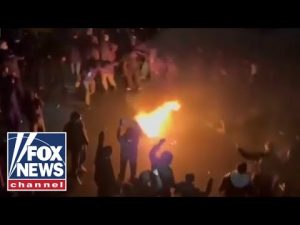
Across America, thousands rallied in solidarity and protest after the shooting, turning a local tragedy into a national demand for answers and accountability. Conservatives should insist on a full, impartial investigation, protection for law enforcement who put themselves at risk, and a rejection of grandstanding from elected officials who trade responsible governance for headlines.
If Minnesotans want real answers, they should demand them through facts and courts, not through performative proclamations that make the job of investigators harder and the job of agitators easier. Governor Walz can start by putting legal process above politics, coordinating with investigators rather than posturing for cameras, and giving Minnesota the steady leadership its citizens deserve.