**Uncovering the Shadows: The Deep State’s Silence on Free Speech**
In the world of politics, there’s an age-old saying that sometimes you have to dig deep to uncover the truth. As it turns out, the deep state problem is alive and well. In an eye-opening revelation, evidence has surfaced that suggests federal efforts to censor conservative voices began at the tail end of Trump’s first term, planted like seeds a decade prior by none other than former President Obama. It raises a challenging question: can a president, no matter how committed to free speech, fully vanquish the hidden networks that threaten it?
To set the stage, we go back to 2011 when President Obama signed an executive order establishing the Center for Strategic Counterterrorism Communications, or CSCC. This center was ostensibly aimed at combating violent extremism and terrorism, which everyone can agree is a good idea. However, fast forward to 2016, just as Obama was preparing to leave office, and he decided to rebrand the center as the Global Engagement Center. The mission morphed to include “recognizing, understanding, exposing, and countering” foreign and domestic propaganda. But somewhere along the way, it seems that the mission went off the rails.
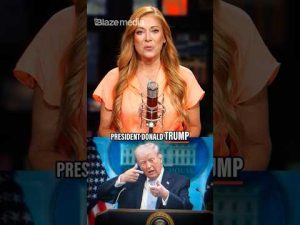
In a plot twist that sounds like it was pulled straight from a political thriller, this agency would eventually engage in efforts that appeared to target domestic media, with a particular focus on conservative outlets. One of the victims of this censorship effort was none other than The Blaze, a media outlet well-known for its conservative viewpoints. The trial run of this censorship took place just weeks before the Biden administration took over, casting a shadow over the new administration even before it began.
What makes this all the more perplexing is the decision to lump The Blaze in with a Russian state-owned news agency. How is it that a reputable American media outlet can be viewed as just as threatening as foreign disinformation? This scenario suggests a deep-seated fear of the topics and truths being discussed by conservative platforms, which raises an eyebrow or two. These undercover operations reveal the lengths to which the deep state may go in an attempt to silence dissenting voices, a tactic that appears all too familiar in the age of political correctness.
Thankfully, this shadowy chapter was curtailed, thanks to the efforts of Senator Marco Rubio, who exposed the office’s behavior for what it was: wasteful spending of taxpayer dollars while suppressing American voices. The closing of this disinformation office drew a predictable response from liberal media outlets, lamenting the loss of what they viewed as an essential tool for combating misinformation. Yet, one cannot help but wonder about the implications of a government body aiming to manage the narrative, particularly against conservative perspectives.
As America continues to wrestle with the balance between free speech and the fight against misinformation, it remains crucial for citizens to stay informed and engaged. The incident illuminates the importance of supporting independent media that advocates for truth and transparency. The fight against censorship is ongoing, and while some may find solace in established narratives, it is imperative to seek out diverse voices in the conversation. After all, as anyone could tell you, the truth is often stranger than fiction—and sometimes, it’s just plain shocking.