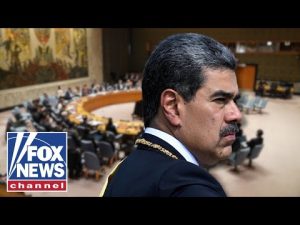
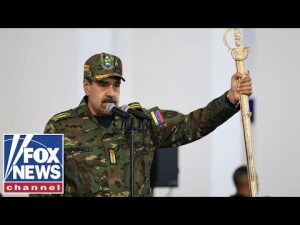
The recent developments in Venezuela have sent waves of intrigue throughout the political landscape, and for good reason. The beleaguered leader of Venezuela, Nicolas Maduro, appears to be feeling the heat as pressure ramps up on his regime. In a bizarre twist, Maduro was recently spotted during a media interview in a car, seemingly desperate and eager for a lifeline. Observers have noted that the tide is turning against him, and it seems the United States is ramping up its operational tactics to ensure that the narco-terrorists don’t get a moment’s peace.
The influx of increased pressure on Maduro is widely recognized as an effective strategy. With a concerted focus on disrupting drug trafficking, the U.S. has targeted an impressive number of vessels allegedly involved in this booming black market, setting the stage for what many are calling a critical moment in combating the criminal networks that proliferate under the Maduro regime. There’s a sense among analysts that this hardline approach is not just about the drugs; it’s also about the economic stranglehold the U.S. can maintain over Maduro, effectively limiting his access to financial support from allies like Iran and Russia.
There have been allegations that the Venezuelan government has attempted numerous times to engage in discussions with the U.S. However, many suspect these overtures may be rooted more in desperation than diplomatic strategy. This administration seems to be approaching Maduro from a place of strength, putting the longtime ruler in a position where he seems to have little choice but to look for a deal. It’s a classic scenario of “peace through strength,” where showcasing military resolve translates into stronger leverage at the negotiating table.
Maduro’s attempts to engage with American leadership are not new, but they have become increasingly frequent as his regime teeters on the brink. He has expressed interest in setting up meetings, be they open or covert, to discuss a variety of issues. The authenticity of these overtures is up for debate, with many in the political sphere labeling his governance as inherently illegitimate. The recognition of this situation is crucial, given that the stakes are high not just for Venezuela but for the broader geopolitical climate in the Americas.
What makes this moment particularly riveting is the visibility of desperation in Maduro’s demeanor since he relied heavily on strongman allies like Putin. Reports show that his previous bravado is diminishing. The drone strikes and operational maneuvers from the U.S. have revealed a newfound readiness to take the fight to the heart of the problem, and this could escalate further. The notion that intelligence resources might have identified the key players in the drug trafficking circles adds a compelling layer to the ongoing drama.
As the situation continues to unfold, there is a mixture of tension and anticipation. While Maduro may be requesting dialogues to address issues related to drug traffic, there is cautious optimism regarding whether this administration will engage. The stakes are certainly high, and the potential to bring about meaningful change in Venezuela hangs in the balance. It seems that America’s stand against these narco-terrorists could shape the future of not only Venezuela but also the dynamics of international relations in the region.