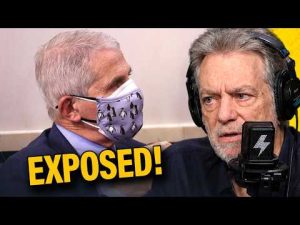
In a dramatic turn of events, Dr. Anthony Fauci recently became the talk of the town when he decided to invoke his Fifth Amendment rights—an eye-catching strategy that left many scratching their heads. After answering the same phrase over and over again—”I respectfully decline to answer based upon my rights under the Fifth Amendment”—he left lawmakers and the public wondering what exactly he was hiding. Kentucky Senator Rand Paul, a vocal critic of Fauci, pointed out that the doctor’s lack of transparency is puzzling considering that he had been granted a pardon by President Joe Biden, which should have cleared him from any legal liabilities. This pardon, Paul argued, should make it unnecessary for Fauci to remain silent.
With the stakes rising, a contempt of Congress vote was set to occur. Senator Paul emphasized that this vote is not just procedural but represents a critical moment for accountability in Washington. He argued that the COVID-19 pandemic revealed not only a virus but also how quickly liberties can be stripped away under the guise of safety. Many conservative voices believe that Fauci’s refusal to speak could be indicative of deeper issues regarding transparency and accountability in government—a sentiment that resonates strongly with a significant portion of the American public.
As back-and-forth debates flooded the airwaves, Senator Paul laid out a compelling legal argument. If Fauci enjoys immunity granted by a presidential pardon, could he still claim his Fifth Amendment rights? This conundrum opens the door to a fascinating legal examination. The senator believes that if Fauci indeed has immunity, then his choice to plead the Fifth raises complex questions that could have broader implications for Congress’s ability to summon witnesses and get answers in future inquiries.
The impending vote is anticipated with bated breath, with many citizens hoping for the chance to see real action taken against Fauci. If the committee votes to uphold contempt of Congress, the outcome would enable Senator Paul to escalate the issue to the Department of Justice, pushing for charges to be filed. The countdown was on, and the possible repercussions of whatever emerged from this case would echo through the halls of Congress and beyond.
In a political landscape that is often volatile and sensationalized, this situation presents an interesting blend of legal drama and the age-old call for accountability. As millions of Americans follow the unfolding story, they are presented with a unique opportunity to engage with the complexities of governance and the importance of the checks and balances that are supposed to keep leaders in line. While many will debate the merits of the legal arguments surrounding Fauci, there is one thing for certain: the American public is watching closely, eager for justice and transparency in a time of uncertainty.