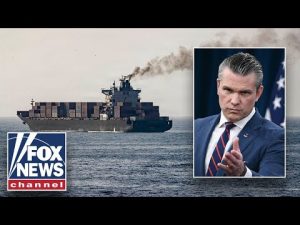
In the latest whirlwind of geopolitics, things are heating up in the Middle East, with everyone’s attention turning towards the Strait of Hormuz. It seems both the U.S. and Iran are wrestling over control of this critical waterway as if it were the last candy bar in the snack aisle. The president hopes a blockade will squeeze the Iranian regime into compliance, while Iran believes they can twist arms at the negotiation table by flexing their own maritime muscles. It’s a classic playground standoff where each side eyes the other, hoping not to blink first.
Vice Admiral Robert Harart weighs in on this tug-of-war, underscoring that the heart of the issue lies not just in who controls the strait but in the broader context of Iran’s might, including their nuclear ambitions and support for regional proxies. Everyone’s favorite line from the movie world, “No nuclear weapons,” is not just for show; it’s the very essence of these ongoing talks. Without addressing Iran’s full arsenal of geopolitical tactics, any deal seems as sturdy as a house of cards on a windy day.
With the tension akin to a high-stakes chess game, concerns arise over the prospect of U.S. Navy ships patrolling narrow waters, essentially putting a target on their backs. The fear is that a single hostile action could hand Iran a symbolic victory, even if it’s just a scratch in the grand scheme. The possibility of adversaries equipped with hand-held stingers, reminders of Cold War gameplays, only add another layer of anxiety for America’s strategists. It’s as if someone handed the enemy a well-worn playbook with the best tactics from yesteryear.
Then there’s the economic dimension, the vice grip on Iran’s oil resources playing out like a financial thriller. Iran faces the dire prospect of capped oil wells and dramatically reduced production. This loss surely burns more than a little hole in their pocket. The loss in “ka-ching” sounds is painful, as the currency coffers start looking a little too bare for comfort. The economic pressure might just be the leverage needed to bring Iran to heel, or at least to the negotiating table with a bit more humble pie.
Yet, the ticking clock of enriched uranium continues to be a glaring spotlight in this situation. With the potential for Iran to have weapons-grade material in a flash, the world holds its collective breath. The timing of the current operation couldn’t be more pivotal, with diplomats and military minds alike keenly aware that the stakes are global. Any sliver of procrastination could lead to a nuclear-armed Iran, a scenario that would make any strategist’s worst nightmare look like a daydream. Now more than ever, the eyes of the world, wary and watchful, are trained on the Strait of Hormuz and the chessboard of international diplomacy.