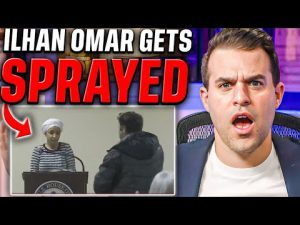
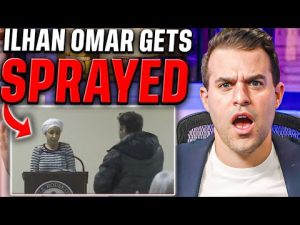
On January 27, 2026, U.S. Representative Ilhan Omar was the target of a disturbing incident at a north Minneapolis town hall when a man rushed the stage and sprayed an unknown liquid from a syringe in her direction. The chaotic scene was captured on video and immediately prompted security to tackle and restrain the assailant as attendees gasped and aides scrambled to secure the area.
Officials on the scene described a light-brown liquid with a vinegarlike smell, and photos taken at the moment showed what appeared to be a syringe with fluid inside before it fell to the floor. Minneapolis police arrested 55-year-old Anthony James Kazmierczak and booked him on suspicion of third-degree assault while forensics collected the device and the substance for testing. Despite the trauma, Omar declined to end the event and continued her remarks, a decision that split observers between admiration and concern.
City and federal authorities swiftly condemned the attack, and U.S. Capitol Police joined local partners in treating the matter as a serious threat to a member of Congress, particularly amid a documented rise in threats against lawmakers. This is not an isolated flashpoint; it arrives against a backdrop of heightened tensions around immigration enforcement and political violence, making the safety of public forums a legitimate national priority.
Predictably, the incident also ignited partisan volleys. Prominent conservatives, including former President Trump, publicly suggested the episode merited skepticism and called for a full accounting before the media declared a definitive narrative, while many on the right flooded social feeds raising questions about timing and motivation. Reasonable skepticism is a staple of a free country; when high-profile incidents occur in hyperpolitical settings, Americans deserve clear evidence rather than instant conclusions.
Context matters: Omar was speaking at the town hall about immigration enforcement and had openly called for abolishing ICE and demanding the resignation of Homeland Security officials, rhetoric that energizes supporters but also burns up the political atmosphere. Conservatives argue that when elected officials traffick in punitive or incendiary language, they share in the responsibility for a tense public climate, and everyone should be wary when emotion replaces policy debate.
Americans who actually want safer communities should ask blunt questions about how a man with a syringe got within arm’s reach of a congresswoman at a public event and why so many elected figures feel safer on camera than in real life. If public gatherings are to remain a cornerstone of our civic life, there must be clearer security protocols and equal enforcement for threats across the political spectrum—not selective outrage and hollow press releases.
Patriots demand two things at once: swift justice for any criminal act and transparent answers that resist weaponized narratives from both sides. We stand against political violence in all its forms, and we also insist that the truth be unearthed and shared honestly so hardworking Americans can know whether this was an act of genuine malice, a mentally ill individual lashing out, or something else entirely. No one wins when politics converts every accident or assault into theater; accountability and calm ought to prevail.