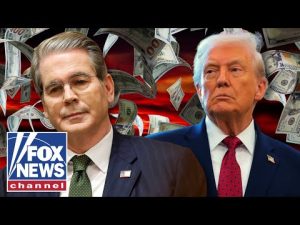
In typical fashion, the headlines are anything but dull these days. In a surprising twist, the U.S. Senate recently passed a resolution to restrict war powers in Venezuela. It seems a handful of Republicans have decided to join the Democrats in this decision, which is generating quite the stir. This all comes hot on the heels of the arrest of Venezuelan leader Nicolas Maduro by the U.S. One might expect a bit of fanfare, but instead, there seems to be a bigger focus on oil—because if there’s one thing that screams “stability,” it’s the control of foreign energy resources.
The administration has made it clear that it plans to take the wheel and steer Venezuela towards a more prosperous future. By handling the sale of Venezuelan oil, the U.S. promises to help rebuild the nation. Apparently, this involves a unique strategy: controlling the purse strings tight enough to ensure that while Venezuela is rolling back restrictions and selling oil around the globe, they’ll only be spending their newfound wealth on American-made products. It’s almost like hitting two birds with one incredibly strategic stone.
Now, let’s not ignore the rather interesting development of relations with neighboring Colombia. For those who have been following the occasional diplomatic rollercoaster, the shift from tension to potential camaraderie between President Trump and the President of Colombia, Gustavo Petro, is a plot twist that could outshine any political thriller. Only a while ago, the rhetoric was fiery, with Petro being referred to as an “illegal drug leader,” but it appears that these frosty relations might be warming up, with the two leaders now setting the stage for a future meeting.
There are, of course, voices from the left calling this strategy greedy. They’re questioning who stands to benefit—another conspiracy theory to add to a long list in the political narrative. The administration, however, firmly asserts that the only greed involved here is a greed for benefiting the American people. Whether that means boosting the U.S. economy or ensuring an abundant cheap oil supply, who’s to say? But perhaps the most pressing question is where this leaves the Democrats. In typical fashion, they’ve been painted as the ones who are actually greedy—greedy for political gain, perhaps, or maybe just the spotlight.
In the grand scheme of things, one has to appreciate the audacity of attempting to reshape a foreign economy. Only time will tell if these ambitions bear fruit or turn into yet another tale of unintended consequences. Meanwhile, in the world of politics, the never-ending soap opera continues, filled with alliances, strategy, and the occasional surprising plot twist—a gripping saga that no one can quite walk away from. As always, the only certainty seems to be that there will never be a dull moment.