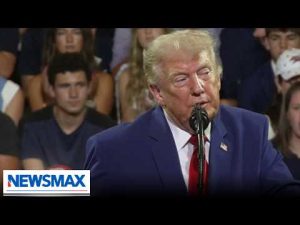
President Trump has done it again—dropping bold statements that send ripples across international waters, specifically towards Iran. He’s sending a new, stern message to the Iranian regime about its elusive nuclear program. According to reports, Iran has relocated its nuclear centrifuges to a secret and fortified lair known as Pickaxe Mountain. If you think this sounds like something out of a spy movie, you’re not entirely wrong. President Trump made it crystal clear that there’s an urgent need to tackle this development head-on, declaring that an attack is likely imminent, and he made sure everyone knows that Iran can’t do a thing about it.
Now, let’s take a step back and dissect the intriguing scenario at Pickaxe Mountain. It’s quite the enigma for regular folks, but satellite experts can see it clearly. Just as a magician never reveals his secrets, the same can be said of the intricate strategies to potentially disrupt the facility, but the president, with a flair for drama, laid out what he might have in store. It’s like he’s sharing a sneak preview of a blockbuster, minus the glossy trailer. And in this gripping narrative, the ventilation shafts and power cables might prove to be the Achilles’ heel for Iran’s nuclear ambitions.
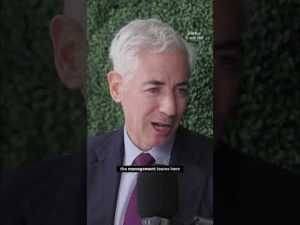
Enter Richard Goldberg, a former National Security Council official, who joins the chorus of voices analyzing the president’s audacious comments. It’s as if he’s been keeping a battle plan tucked under his pillow for late-night analysis. Goldberg explains that this fortified facility didn’t spring up overnight—it’s been a work in progress since 2020, through years of appeasement and diplomatic overtures with little headway. At this point, with murky intelligence and hard-to-reach targets, only time will tell if President Trump’s strategy can finally put an end to the nuclear mystery box that has been Pickaxe Mountain.
Critics might bemuse themselves by calling this narrative an elaborate game of “mowing the lawn,” where vigilance and precision are the mantra. Cameras keep an unblinking eye while any suspicious activity warrants swift action. There’s talk of military presence on the ground should the operation require reinforcements. Someone once suggested 15,000 boots might do the trick, perhaps reflecting both the gravity of the situation and just a smidgen of exaggeration, typical of think-tank discussions.
Lastly, attention shouldn’t stray too far from another strategic linchpin, the Strait of Hormuz. There’s already been over a week of targeted strikes attempting to curtail further threats from Tehran. Admiral Cooper holds the line with shrewd strategy, likened to a game of chess played on a vast and dangerous board. The president’s options are vast—they need to stay sharp and determined. As the world waits with bated breath, leadership on all sides stands poised at the crossroads of decision, a spectator’s sport only in its anticipation of what might unfold next.