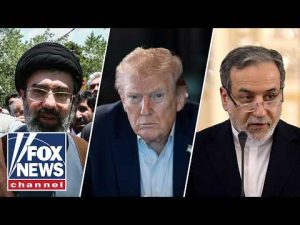
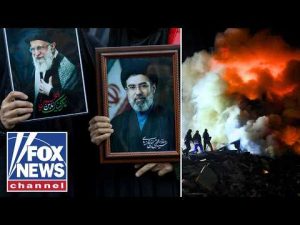
In what can only be described as a fiery chapter in the never-ending saga of Middle Eastern tensions, the U.S. and Israel have made some rather explosive headlines with Operation Epic Fury. In this current episode, we see the chessboard of geopolitics completely upturned as President Trump orchestrates significant airstrikes against Iran, with a little help from his friends in Tel Aviv. The Israeli Air Force, in concert with U.S. Central Command, is leaving a trail of wreckage across the Iranian landscape, with the capital Tehran feeling the heat. President Trump, now back from a Florida trip, didn’t mince his words—though he was predictably disappointed with Iran’s choice of a new supreme leader, son of the previous one. One wonders who thought that would bring change.
President Trump seems rather giddy about the early results of the operation, boasting about their successful decimation of the Iranian military forces. Despite the slightly unsettling rumbles of war, Israel has seemingly accepted the prospect of a prolonged engagement, willing to endure hardships if it means silencing the ever-present threat posed by Iranian-backed entities. For the citizens of southern Lebanon, this means more skirmishes as Hezbollah’s rocket fire invites retribution from Israel. In this drama where everyone seems to have a role, Israel plays its part in what could become a two-front engagement, balancing patience with a desire for peace, albeit on their terms.
Back on American soil, there’s considerable political juggling going on. The president faces the delicate task of balancing military might with potential diplomatic consequences. The anticipation around how long this blitz will last is palpable, and the president is projecting optimism, hinting at a sooner-than-expected conclusion to Iran’s military capabilities. One gets the sense that in this high-stakes game, the clock is another backdrop to the geopolitical theater, ticking away even as oil prices sharply ascend. With the Strait of Hormuz at the heart of this convoluted plot, the threat of blocking oil supplies looms large, promised by the Iranian regime as a means of retaliation. The president, in his usual bravado, promises a response twenty times harder should Iran make good on their threats, casting the situation in a classic American drama.
In the Pentagon’s hallways, chatter of timelines and strategies reverberates, with high-level meetings expected to deliver more promises of swift resolution. The involvement of Russia, meanwhile, adds yet another layer to the geopolitical entanglement, rumored to be lending a covert helping hand to Iran through intelligence sharing. The players in Washington now face increasing questions not only on the operation’s progress but also the political and personal consequences it entails.
While there’s a cascade of political maneuvering in the foreground, the human cost remains severe and sobering. Vice President JD Vance honors a poignant moment in Washington, attending a dignified transfer ceremony for the seventh U.S. soldier tragically lost to this operation, all of them now etched in the roll call of American heroes. The nation remembers their sacrifice, and despite the rhetoric of leadership, it’s a reminder that the price of power and battleground politics is often counted in human lives, asking even the most cynical observers to take a pause and recognize the gravitas beyond the headlines.