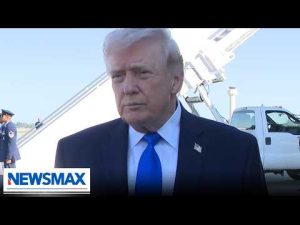
In a startling twist of events, the President recently announced that the United States and Iran have been engaged in what he describes as “very good and productive” conversations. This comes as a bit of a surprise considering the two nations have been at loggerheads for what seems like eons. One can only imagine how these discussions have unfolded with Iran holding what the President hopes is a white flag rather than its more familiar clenched fist.
It appears the President’s decision to hit the pause button on military strikes against Iranian power plants and energy infrastructure is contingent on the outcome of these ongoing discussions. The nation collectively holds its breath, waiting to see if this temporary truce will lead to something more permanent or if it’s just another episode of “Things That Could Have Gone Very Wrong.” The talks will continue throughout the week, and both sides will need to keep up the “tenor and tone” of these peace talks if they wish to avoid the fireworks that nobody wants to see lighting up the sky.
In this intriguing international game of chess, India finds itself thrust into the role of mediator. Evidently, the President has urged India to help facilitate this unprecedented dialogue with Iran. In a peculiar twist that would be amusing if it weren’t so serious, India has been pulled into the mix thanks to strategic questions about usage of a particular strait. It’s not every day one is asked to broker peace like this, but it seems India is game—or at least they’ve been presented with an offer that might include a rather steep entrance fee of $2 million. Talk about high stakes!
As the conversation turns toward controlling strategic waterways, there’s a clear understanding that Iran’s grip on such vital passages must not be tolerated in the long run. The President makes it clear that whatever happens, international waters must remain, well, international. The message is simple, yet potent: Iran should not think for a moment that controlling such vital shipping lanes is a possibility any time soon—or ever. The world will be watching, waiting for any signs of nuclear naughty behavior or intercontinental missile mischief from Iran, poised to respond instantaneously.
In the backdrop of all these diplomatic maneuvers, one can’t help but notice the underlying tension. Will these discussions truly foster a new era of understanding, or is this just a temporary calm before the inevitable storm? Only time will tell if this round of international talks leads to real, lasting peace, or if it’s just a prologue to another chapter in the seemingly endless saga of Middle East hostilities. Meanwhile, Americans can enjoy the drama unfold from the comfort of their recliners, popcorn in hand, waiting to see if cooler heads really will prevail.