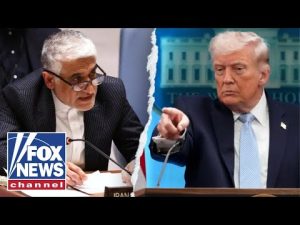
In the ever-turbulent waters of international relations, the Strait of Hormuz has once again taken center stage. This narrow passage—often considered the lifeblood of global oil transportation—has caught the attention of many as tensions with Iran rise. According to analysts, Iran’s latest threats to impose a hefty fee of $2 million on vessels crossing this strategic waterway could send ripples across global markets and military strategies alike. With the Islamic Republic boasting of a supposed victory over the U.S., questions abound regarding the reliability of negotiating with a nation that seems to thrive on turmoil.
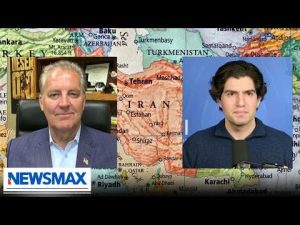
Hailing from a time when U.S.-Iran relations were at their lowest, Kevin Hermening—a former hostage from the infamous Iran hostage crisis—joined the discussion, shedding light on the historical context of Iran’s military actions. It is not just the present-day maneuvers of the Iranian regime that draw concern, but a continuity of hostility that stretches back over four decades. Hermening emphasized that Iran’s aggressive stance is nothing new; it has been on a warpath since the Islamic Republic was established in 1979. He painted a vivid picture of the nation as one still engaging in outdated practices, reflecting a grim reality that continues to threaten allies in the region.
As discussions pointed toward the possibility of a ceasefire, analysts pointed out that recent Iranian strikes against neighboring countries contradict the notion of peaceful intentions. With nations like Israel and Saudi Arabia coming under threat, the question arises: Can peace truly be brokered with a regime that operates under a seemingly perpetual war mindset? While some may hold out hope for diplomacy, many remain skeptical, especially considering Iran’s past behavior. Furthermore, the worry is not just about present attacks but what could unravel once negotiations take place or if the Trump administration changes course.
The roundtable also featured conversations about the domestic implications of these international tensions. Optimism lingered regarding the potential for a strong America First policy that aims to protect national interests while confronting foreign foes. Yet, as Hermening noted, even the most favorable deal with Iran may evaporate if leadership changes in the future. Politically charged discussions also revolved around the fear that a good agreement could simply become another political pawn, cast aside when priorities shift in Washington.
In this high-stakes drama, it’s clear that the road ahead is fraught with challenges. As policymakers navigate the rocky seas of diplomacy and deterrence, the real question remains: can the U.S. effectively confront a regime entrenched in its own narratives of victory and martyrdom? Although some analysts expressed caution, the spirit of the American public seems undeterred as they stand resolute against threats to their homeland. As the narrative continues to unfold, it’s vital to remember the lessons of the past while preparing for the unpredictable tides of the future.