### The Price of Conflict: Trump’s Strikes in Iran and the Bill Americans Might Face
In the world of military operations, numbers can fly faster than a jet fighter. Recent military strikes in Iran, ordered by President Donald Trump, have already racked up hefty bills that the American taxpayers will likely be footing. With estimates starting at over $1 billion, it’s reasonable to assume that this fiscal figure could balloon to nearly $100 billion if the situation escalates. While the details of the operation are still unfolding, it’s clear that the costs are climbing higher than a fighter jet on takeoff.
Before the first military strike was even launched, the logistics of deploying troops, ships, and aircraft to the Middle East already set the Pentagon back approximately $630 million. This staggering amount comes from a time when military readiness was of utmost importance, but many are now wondering if the expenses will be just as critical as the missions themselves. Given the high stakes in the region, decisions made by military leadership will not just impact national security but will also weigh heavily on taxpayers’ wallets.
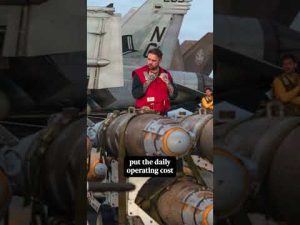
Among the losses was the heartbreaking news that three F-15E Strike Eagle jets were downed in Kuwait, each with a price tag of around $90 million. For those keeping score at home, that’s nearly $300 million gone in the blink of an eye. But it doesn’t stop there. Approximately 50,000 troops are already stationed in the region, and if more are sent in, the dollars will continue to pile up faster than a clogged toilet after Thanksgiving dinner. The cost of maintaining aircraft carriers currently deployed in the area is estimated to be about $13 million a day. Just imagine that! It’s enough to make one wonder whether these figures are coming from a military budget or a shopping spree at a luxury mall.
The true cost of this endeavor could very well be higher than anyone could imagine. While direct military operations may carry an estimated price tag of at least $40 billion, the broader economic consequences might range anywhere from $50 billion to a mind-blowing $210 billion. Factors like disruptions to trade and disruptions in energy markets could lead to a cascading effect, hitting American businesses and consumers where it hurts most—their wallets.
The current military actions in Iran raise a crucial question about spending priorities and accountability. While national security and defense are essential, taxpayers deserve transparency in how their hard-earned money is being spent. As discussions continue and the situation develops, America finds itself grappling with a new reality: the price of conflict can be just as formidable as the battles being fought overseas.
As the narrative unfolds, it’s clear that all eyes will remain glued to updates—not just to monitor military progress, but to carefully watch that unfolding price tag. With each day, Americans will be waiting and wondering, “How high will the bill go?”