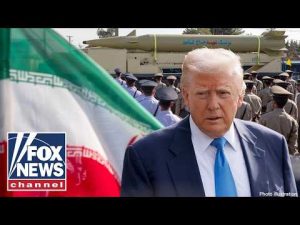
**The Oil Dilemma: Navigating the Middle East Crisis**
In today’s ever-evolving global landscape, discussions surrounding energy resources and national security are more pressing than ever, particularly in light of the ongoing crises in the Middle East. One of the core topics that surfaces time and again is the curious case of oil—specifically, why, with an abundance of natural resources, Americans are still feeling the sting at the gas pump. It’s a head-scratcher for many and a source of frustration that begs the question: why aren’t we refining more oil right here at home?
Amidst discussions on the geopolitical climate, a prominent voice pointed out the challenges surrounding oil refinement in the U.S. Our sweet crude is, indeed, plentiful, but operating a refinery isn’t like making a sandwich. It’s a complex and time-consuming process, one that often slows to a crawl thanks to regulatory hurdles and environmentalist outcries. As recent conversations highlighted, many folks simply aren’t aware of these bottlenecks. So, what’s the verdict? Perhaps it’s time we all enlighten our neighbors. Gas prices won’t lower themselves, after all.
Now, let’s pivot to a more alarming narrative—the potential use of nuclear weapons. One commentator expressed frustration over calls to “nuke the Middle East,” reminding everyone that such a tactic would lead to catastrophic consequences that nobody truly wants. It may sound sensational on a discussion board, but the real-life ramifications of nuclear warfare bring us to a sobering reality: there are no winners in this game. Steps must be taken to address threats without ushering in the end of civilization itself.
In the mix of strategic evaluations comes an open debate about ground troops. As tensions rise, some believe that Middle Eastern allies should take the lead in confronting enemies like Iran. However, this raises an essential point: the feasibility of such an idea depends on careful coalition-building, which is no small task. With years of diplomatic efforts finally coalescing into alliances, the potential for regional partners to share in these burdens has never been more realistic. Yet, this sort of diplomatic architecture does not materialize overnight. It takes teamwork, leadership, and, most importantly, patience.
As the conversation unfolded, analysts pointed out the precarious state of oil reserves worldwide. According to the latest reports, many countries are scraping the bottom of their barrels. The United States has been releasing reserves at alarming rates to stabilize oil prices, but the clock is ticking. If our reserves run dry, it wouldn’t just be the U.S. facing these repercussions; Europe and China would follow suit. An energy crisis like this would grind global commerce to a halt, something that would make the pandemic’s economic impacts seem mild by comparison.
The heart of the matter circles back to leadership. Effective solutions require sound judgment, collective will, and the understanding that these challenges do not work themselves out on social media. All parties should remember, regardless of political affiliation, that prayer for wisdom during these tumultuous times may just be the most vital step we can take. Indeed, the outcome rests on all of us—if we can bridge our differences to focus on a united front, perhaps we can navigate through this maze of oil reserves, international aggression, and economic uncertainty together, as Americans. It’s not just about policy; it’s about finding common ground in a world that so desperately needs it.