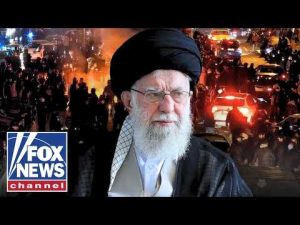
In an early morning move that may send shockwaves across the globe, Israel took a resolute stance by launching preemptive airstrikes against Iran. This daring act isn’t merely a skirmish; it’s a bold declaration to protect the homeland. Israel’s defense minister, Israel Katz, has sounded the alarm, declaring a special state of emergency. It seems the streets of Tel Aviv, usually buzzing with life and vigor, are now filled with the unmistakable sound of air raid sirens. Citizens are rushing toward bomb shelters, bracing for what could be a retaliatory assault from Iran.
The strategic offensive by Israel is aimed at neutralizing threats they say are brewing within the borders of the Islamic Republic. Israel’s determination shows that they won’t be sitting ducks waiting for aggressors to compromise their safety. It’s like the quintessential story of David and Goliath, only this time David is well-armed with state-of-the-art defense systems. The Iron Dome, Aero systems, and even the American-provided Patriot and THAAD systems are at the ready, offering a formidable defense shield in case of Iranian retaliation.
The backdrop to this unfolding drama features a significant U.S. military buildup in the region. With the USS Gerald R. Ford just off the Israeli coast and the USS Abraham Lincoln parked in the Arabian Sea, it’s crystal clear that the alliance isn’t about to let Israel face this alone. American fighter jets aren’t just warming the tarmac in Israel; they’re also stationed in Jordan, ready to take up the cause of peace, albeit with a heavy fist of military might. President Trump has continually sought a diplomatic route, although at this juncture, diplomacy appears to have taken a backseat.
These unfolding events force us to ask: how did it come to this point of brinkmanship? For months, attempts to extend the olive branch to Iran seemed as futile as explaining algebra to a brick wall. The Iranians have been an elusive foe when it comes to reaching peaceful agreements; a thorny history that has left negotiators exasperated, if not a bit cynical. U.S. envoy Steve Witkoff and Jared Kushner weren’t dealing poker behind the scenes; they were actively working on sensitive negotiations that ultimately couldn’t halt the current military showdown.
As Israel clamps down on airspace, closing it to civilian flights, the anticipation is palpable. Memories of previous conflicts with Iran aren’t just fading photos in a scrapbook; they’re real, painful chapters of history that inform today’s cautious approach. Balancing on this tightrope of war and peace, the citizens of Israel, along with their American allies, find themselves at the edge of a geopolitical cliffhanger. While the dust from the initial strikes settles, the world watches—and waits—for the potentially hair-triggered response from Iran.