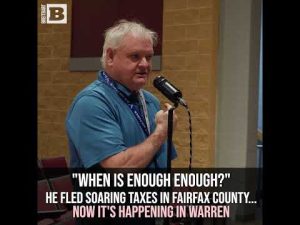
In recent discussions surrounding local taxation, a clear message has emerged: conservative voices are demanding accountability and clarity in government spending and tax policy. A proposed significant tax increase, purportedly to cover the needs of local government, has alarmed residents. As the tax burden grows heavier, especially for those on fixed incomes, the call to reject new taxes is stronger than ever.
One individual highlighted the severity of the proposed 21% tax increase, which many see as an aggressive move that further burdens hardworking families. The suggestion to scale it back to 10% might seem like a compromise, but it does little to alleviate the strain on citizens who are already grappling with rising property taxes. This sentiment resonates deeply in communities where families are being forced to consider leaving their homes due to financial pressures. The local government must recognize that for many, every percentage point matters, and the fight to keep their homes is no less than a fight for their futures.
The real estate tax assessments have added to this already unbearable pressure, particularly impacting those on fixed incomes, such as retirees and long-time residents. These individuals have earned their place in the community, often spending decades building their lives on the very land they now risk losing. The heart of the matter is simple: people deserve to feel safe and secure in their homes without the constant fear of rising taxes pushing them out.
Furthermore, there is a glaring need to scrutinize significant players in the community like Valley Health, which has recently invested a staggering amount in a new campus. Critics argue that institutions like this should contribute more to the tax base rather than receiving what some label a “free ride.” By ensuring that large entities fulfill their tax obligations, municipalities can potentially alleviate pressure on everyday citizens, allowing for a fairer distribution of the tax burden and fortifying community services.
As the discussion unfolds, it becomes clear that fiscal responsibility is not just a buzzword; it is a necessity for the survival of many households. A strong, clear message from the community is needed: no new taxes until the government can prove it is operating efficiently. Citizens are calling for leaders to tighten their belts and seek innovative solutions rather than resorting to hiking taxes that only serve to deepen the financial struggles of the very people they are supposed to serve. By holding the government accountable and ensuring that all entities contribute their fair share, conservative advocates can work towards a future where communities thrive without the looming threat of oppressive taxation.