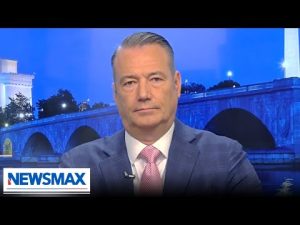
In recent news, a situation involving an ICE agent and an SUV has sparked significant chatter across the political landscape, particularly among conservative circles. The incident unfolded in Minneapolis, where tensions rose rapidly as law enforcement engaged with a driver who did not comply with their instructions. Former acting Secretary of Homeland Security, Chad Wolf, weighed in on the matter, and his perspective underscored a clear frustration with the ongoing dialogue surrounding the event.
The discussion began after some lawmakers proposed charging the driver with murder due to the agent being hit by the vehicle. However, Wolf dismissed this idea, noting that the real issue at hand was the driver’s failure to follow the commands of law enforcement officers. According to him, the footage from the incident reflects a scenario where officers were attempting to safely direct the driver; yet, failure to comply not only obstructed the officers but also placed everyone in harm’s way.
Chad Wolf expressed strong support for the ICE agents working under challenging circumstances. He emphasized the importance of their mission now more than ever, particularly in a politically volatile environment where local authorities might not back them. Officers are aware of the risks they face, especially given the significant rise in threats against them. It’s a tall order for these agents to operate in cities that view them as unwelcome while adhering to their responsibility to enforce immigration laws.
In his remarks, Wolf pointed out that the state’s leadership could have done more to support ICE operations. This lack of cooperation creates an environment where chaos can ensue, as demonstrated in this incident. He questioned the prudence of local officials who predicted potential unrest but failed to take necessary precautions or measures to assist law enforcement. There seems to be a degree of irony when officials will express concern about public safety while simultaneously refusing to support actions that could prevent dangerous situations.
Moreover, Wolf’s commentary highlighted a broader theme regarding public safety and the role of law enforcement. He remarked that if local leaders had allowed ICE agents to operate more freely—like picking up individuals from jails—it could significantly alleviate tensions. Instead, he believes that political maneuvering often trumps the need for effective community safety measures. The push and pull between immigration enforcement and public safety policy remains a heated debate, touching on the lives of many, including the brave men and women tasked with upholding the law.
In conclusion, the Minneapolis incident serves as a reminder of the critical challenges facing law enforcement, particularly ICE agents who are striving to carry out their responsibilities amidst increased scrutiny and opposition. As the discussions continue, all eyes remain on the politicians and their strategies, with many wondering if they will ever prioritize public safety over political agendas. In times of turmoil, it’s essential to remember that real lives are affected, and the conversations surrounding such events need to be both fair and considerate to all involved.